Do Go Chasing Waterfalls

by Jack Taylor

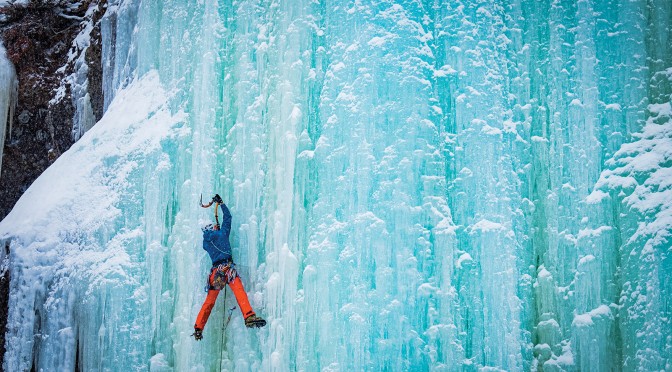
Bozeman has some of the best ice climbing in the Lower 48, from easy top-rope crags in Hyalite to grueling alpine routes in the Beartooths. Many folks arrive in this town having never even considered ascending a frozen waterfall using sharp metal spikes, only to find themselves fully hooked on the sport just a few years later. Once considered the realm of extreme alpinists, ice climbing is now an avocation for the masses. Clinics are offered all winter by various guide services, so you can safely learn the ropes. And in case you haven’t already heard about it, the annual Bozeman Ice Festival is not to be missed.

Where to Go
Beginner
Though Hyalite has a good selection of easy climbs, as a starting place, one crag is more popular than all the rest: G1 (formally “Genesis 1”). It’s the closest cliff to the Grotto Falls parking area—just a 15-minute walk up the hill—and you can easily set up a top-rope by scrambling around to the right. Once you’ve mastered the movement here, check out nearby Lower GreensleevesFat Chance, and Mummy I.

Intermediate
A logical progression, the next step up is G2, about twice as far up the hill as G1. It’s longer, more difficult, and more exposed, but you can still hike around (left, this time) to set up a top-rope if you’re not up to leading yet. Other excellent intermediate climbs in Hyalite include Hangover, The Fat OneMummy II, and Twin Falls.

Advanced
Hyalite has hundreds of ice and mixed climbs, and if you’re looking for a comprehensive guide, check out Joe Josephson’s guidebook The House of Hyalite. To get you started, though, here are some top picks: Responsible Family Men climbs a striking pillar hanging high on the canyon wall. Cleopatra’s Needle, when formed, is a breathtaking line near Twin Falls that’s sure to draw a crowd. Zack Attack, considered by many as the best winter route in Hyalite, tackles four pitches of rock and ice, guarded by a burly approach.

Outside of Hyalite, notable climbs include Hydromonster near Cooke City, California Ice up East Rosebud Creek, and the Lowe Route on the Sphinx—a popular early-season route that becomes a dangerous avalanche path once snow piles up.

Essential Gear
If you already rock climb, you’re off to a good start. Rope, harness, and helmet are the main essentials, in addition to a good pair of climbing boots. Shop around for a used pair if you’re just starting out—new ones are pretty spendy. Eye protection is crucial—clear or light-tinted glasses are nice for cloudy days. Of course, you’ll need crampons and ice tools, but if you’re just going out to top-rope, you can usually share these with your partner. Once you start leading and taking on multipitch climbs, you’ll need your own sets of spikes, plus a set of ice screws—six or seven should suffice Don’t forget about ice clippers: these plastic carabiners are specifically designed for racking ice screws and keep things a whole lot more organized on your harness.

On top of all that hardware, dressing the part is important. Start at skin-level: thick wool socks to prevent cold feet and bruised toes, and synthetic or wool long underwear on the top and bottom. Next, don a fleece sweater that you’ll be comfortable in all day, and perhaps fleece pants if it’s cold out. At this point, start piling on upper layers (too many lower layers will restrict movement in your legs). A synthetic insulated jacket will keep you toasty. Throw on a waterproof shell and rain pants to keep dripping water on the outside—even if it’s below freezing, ice climbs can still be wet. Carry two or three pairs of gloves, at least one of them waterproof, and a hat or balaclava that fits under your helmet. For really cold days, bring a big down parka, but be sure to only wear it when you’re belaying. If you wear it on a climb, it’s sure to get wet from sweat or dribbles, which will render those down feathers cold, heavy, and possibly damaged.

Make sure to bring enough food and water—your body burns a lot of calories when it’s cold. Some nice extra touches include a thermos of hot soup, tea, or cocoa; a package of handwarmers; and perhaps a nip of whiskey if you’re feeling frisky. Jokes aside, take safety seriously: carrying a satellite-communication device is always a good idea, and if you’re going into avalanche terrain, carry a beacon, shovel, and probe.
Happy Campers

by Ian Roderer

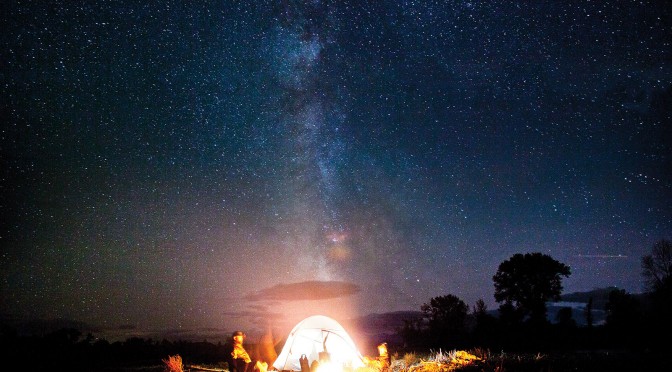
There’s something deeply fulfilling about spending a night out in nature, which few other experiences can equal. It’s an outdoor pastime that is nearly accessible to anyone and beloved by people from all walks of life—how hard can it be? Turns out, there are a few tricks to help ensure that you’ll be itching to get back out there after your next outing.

Where to Go
Public land abounds here in Montana, and with so many options, a place to sleep outdoors is always close at hand. If you’re new to camping, start by checking out developed sites in state parks, national forests, and national parks. Since these sites typically have toilets, picnic tables, and fire pits, all you need to do is find the campground and pitch your tent. Get started finding and reserving sites at recreation.gov. Once you’ve mastered the basics, look into BLM land, or check out a Wilderness area.

Around Bozeman, Hyalite has a variety of developed and undeveloped drive-up sites, along with ample places to hike into for the night. Nearby state parks such as Lewis & Clark Caverns and Missouri Headwaters have developed sites for a small fee. If you’re a parent, do a test run in the back yard where the comforts of home are close by. The kids will love it just as much as they’ll love camping in the woods once you get everything dialed in.

Gear
Camping gear runs the gamut, from makeshift and rudimentary, to the fanciest new tech. The bottom line is you don’t need specialized gear to have a great time camping, and it doesn’t have to break the bank. If you decide on backpacking, things can get more complicated, but there are affordable ways to do it. For tips on gear deals, see p. 26.

Start by packing everything and whittling it down as you gain experience. Food is a personal preference. Some people go all-out with a grill and a feast, while others grab a loaf of bread and a jar of peanut butter and call it good. Pack extra snacks to ensure you have adequate calories. For water, pick up a five-gallon jug or two and fill up before you leave home.

Don’t forget the essentials: a headlamp and extra batteries, a hat and gloves for chilly nights, and spare socks.

Safety Issues
Camping is a great way to experience Montana’s renowned wildlife. Just remember, you’re in their space and your actions affect them. Be bear aware, and always follow food-storage rules for the area. Learn how to hang a bear bag and store all food in your car, never in your tent. Some campgrounds even have bear lockers—use them. Enjoy the wildlife, just do it from a safe distance.

Summers here are often dry, and water sources can vanish by the end of the season. Summer also comes with increased fire danger, so stay current on all regional fire restrictions. Shoulder seasons can offer prime camping conditions, but expect fluctuations in weather and temperature.

Be prepared and plan for things to go wrong. More often than not, gear malfunctions, bad weather, full campsites, and a laundry list of other potential challenges await on any camping excursion. Arm yourself with enough knowledge to keep the bad from becoming worse (for more on outdoor education, see p. 22; and for safety tips see p. 24). Work through the difficulties and remember that adversity and adventure are good for the soul. Many of my favorite camping memories involve things going wrong, and these trials make for great campfire stories on future outings.

Snow Much More

by the editors

While skiing is no doubt the crowd favorite ‘round these parts, it isn’t the only thing to do come winter. There are plenty of cold-weather activities, no matter your inclination or experience. Here’s a list to get you started.

Sledding
Who said tearing down a hill on a sled is just for kids? Some folks say it only gets better with age. Bottom line is that it’s quite the thrill for anyone with a pulse. As affordable as it is accessible, sledding is a Montana pastime, and Bozeman has a number of popular spots worth checking out: Snowfill Recreation Area, Peets Hill, Regional Park, and Langohr Campground up Hyalite are just a few. Really, any public land with a rising slope will do—just make sure the hill has a decent run-out.

Snowshoeing
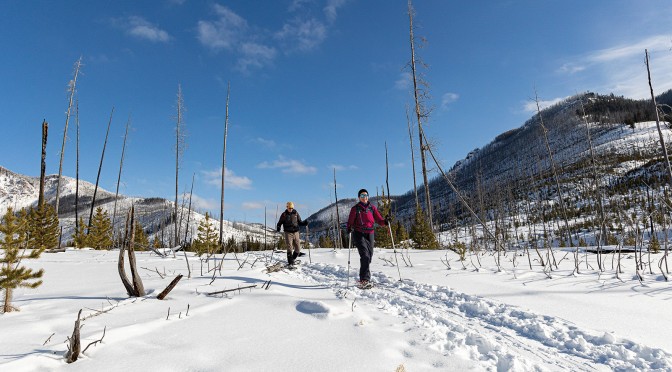
If you can walk, chances are you can snowshoe—and have fun doing it. To get started, pick a trailhead. While new snow offers fresh tracks, your best bet is to veer off-trail and make your own path. One of the major joys of snowshoeing is finding solitude and serenity in the winter woods. A beginner setup (shoes and poles) runs about $200 brand-new; if you’re on a budget, pick up a pair of hand-me-downs and use your ski poles.

Snowmobiling
With the power of a snowmobile, there’s a lot you can see. Whether flying around the mountains of West Yellowstone, Big Sky, Paradise Valley, Cooke City, or Island Park, a high-speed adrenaline rush is hard to beat. There are a number of guide and rental services scattered throughout southwest Montana, and most places that rent snowmobiles supply snowsuits, helmets, and other accessories.

As we see year after year, avalanches are deadly. If this is an activity you want to pursue extensively, consider taking a snowmobile-specific avalanche-education course. Riders trigger as many slides as skiers, and more people are heading out into the backcountry every year—do your part in mitigating the risk for all.

Skating
Every winter, three outdoor ice rinks pop up at Bozeman parks: Bogert, Southside, and Beall. Once the ice sets up for the season—normally in late December—the rinks stay open until 10pm every day. Southside and Bogert have warming huts for cozy cups of hot chocolate and a comfortable abode to put on and take off skates. Additional skating is offered at the Haynes Pavilion, home of the local hockey league; they rent skates for $5, plus a $5 entry fee.

Events
The great thing about Bozeman is that no matter your taste, there’s always something going on. Here are a few noteworthy events for you winter odd-ballers out there.

Ongoing
Learn to Skate – Bozeman. Get tips from the pros on how to slide smoothly on the ice. Classes offered for ages four and up, from beginner to advanced. gallatinice.org.

October
Hocktober Scramble – Bozeman. This fun hockey series gives players of all levels a chance to test their skills—and have a blast doing it—in competitive pickup games. bozemanhockey.org.

January
SNöFLINGA – Butte. There’s something for everyone here. We’re talking snowshoe tours, fatbike races, avalanche-awareness classes… the list goes on. snoflinga.org.

January
Wild West Winterfest – Island Park. Join cheery folk for a winter celebration complete with a parade of snowmobiles, sleigh rides, and a kids’ carnival. islandparkchamber.org.

February
Skijoring – Big Sky. If you don’t already know what skijoring is, you’re in for a treat. Head to Big Sky for an old-time wild-west showdown. bigskyskijoring.com.

Editor’s note: dates are subject to change. For the most updated information, visit outsidebozeman.com/events.

Are you a Bozemanite?

Whether this is your first year in Bozeman or your fifth, the question inevitably arises: are you a true Bozemanite? Take our quiz to find out if Bozeman is really the place for you.
1. Do you plan your MSU class schedule so that you can make it up to the ski hill at least three days a week?
2. In the fall and spring, do you wear shorts underneath snow pants, to be prepared for any kind of weather?
3. Do you know at least three dogs named Bridger or Madison, and maybe one or two people?
4. Do you understand what the Barmuda triangle means?
5. Do you wait until July to remove your snow tires?
6. Do you start ski training in August?
7. Do you eat ramen all year so that you can afford outdoor gear?
8. Are cuts, bruises, and abrasions a source of endless story-telling
rather than intolerable pain?
9. Have you worn Birkenstocks or Chacos with socks?
10. Does a “study day” involve throwing a couple books into your pack and heading up to the hill, whether it be to hike or ski?
11. Have you gone skiing every month of the year?
12. Have you danced the night away at Music on Main?
13. Have you guided your car through a cattle drive on a state
highway?
14. Do you drive a Subaru?
15. Have you gotten up before dawn to go fishing?
16. Have you entered in at least one of Outside Bozeman’s contests in an attempt to score awesome gear?
17. Do you float the Madison or Jefferson every summer?
18. Have you watched live music at Norris Hot Springs while your hair forms icicles?
19. Have you gone extreme sledding down Peets Hill, sans helmet and knee pads?
20. Do you chuckle good-naturedly at the antics of obvious out-of-staters, calling them “tourons”?
———————————————————————-
0 points: What the heck are you doing here? If all you do is study and sleep, might as well be in Kansas or Nebraska.
1-6 points: You’re not a total loser, but you are pretty pathetic. Throw away the Valium, wipe the slobber off your chin, and explore this awesome town we call home.
7-13 points: Not a bad start, but you’ve got plenty of work to do. Keep doing what you’re doing; if you need some guidance, check out the MSU Pocket Guide and Outside Bozeman magazine.

14-20 points: Congratulations, you’re a Bozemanite! Now, the bad news: you’ll never be able to leave this awesome place, and for the rest of your life, envious house guests will take over your living room every summer and winter.

Coveted Courses

by Jack Taylor

Lucky you, to have landed in Montana’s epicenter for outdoor recreation. Soaring ridgelines beckon to be traversed, roaring rapids call for you to make a run, and blankets of cold smoke beg your legs to carve them up. No matter the activity, Bozeman offers the very best, and you’re bound to pick up a new outdoor hobby. But don’t get ahead of yourself—our mountains and rivers take no prisoners. Get started on the right foot with an instructional course, because when shit hits the fan, a little learnin’ goes a long way.

DPogge_Snowpit2

Wilderness First Aid
If you haven’t taken one yet, a WFA course through a local outfit like Crossing Latitudes is a must. These two-day clinics (typically held on weekends) cover everything you need to keep an injured friend (or yourself) safe until the pros arrive. They’re a bit pricey, but well worth the investment. If you plan on finding yourself deep in the backcountry, hours or even days from help, go all in and sign up for a Wilderness First Responder. This professional-level, week-long course is comprehensive and covers most potential ailments and injuries.

Avalanche Education
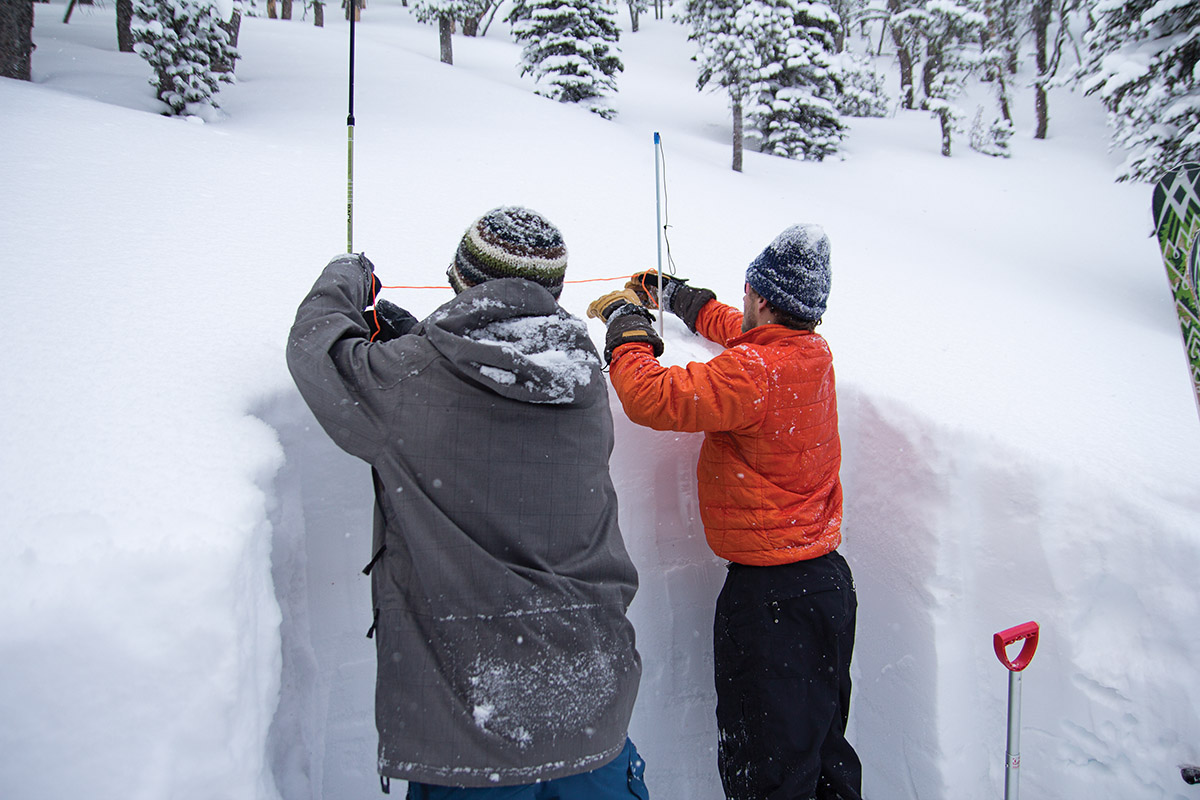
Looking to ski in the backcountry this winter? Get some avalanche training. Each fall and winter, the Gallatin National Forest Avalanche Center runs free hour-long seminars all over town, but do yourself a favor and get a more in-depth certification with one of their multi-day Level 1 courses. If you’re after a more immersive experience, Big Sky Backcountry Guides runs Level 1 and 2 courses from its yurt in the Tobacco Roots, and Beartooth Powder Guides offers courses in Cooke City.

Paddling Skills
From lazy meandering floats to Class IV whitewater, southwest Montana’s rivers provide amazing opportunities to progress as a paddler. Check out Wave Train Kayak Team’s programs to hone your skills before diving head-first into the Mad Mile. In addition to clinics and private instruction, Wave Train provides multi-day whitewater trips to members of its summer paddling teams. 

Swiftwater Rescue
For boating enthusiasts, swiftwater-rescue training is a must. The creeks and rivers most folks run in the spring are cold, full of strainers, and downright dangerous. Learn safety skills from the pros at Montana Whitewater to avoid heading up a creek without a paddle. If you plan on leading whitewater trips, Guide School is a great option as well. It’s required for Montana Whitewater employees, but open to interested members of the general public.

Rope Skills
No matter your level of climbing experience, you can always add to your repertoire of technical skills. Whether you’re putting on rock shoes and a harness for the first time, or ogling Hyalite’s multi-pitch ice, you’re certain to find a course that will up your game in the vertical realm. Spire offers a range of instruction from basic lead climbing to multi-pitch techniques. For the next level, check out Montana Alpine Guides’ assortment of rock- and ice-climbing clinics.

Navigation
Technology has made it all too easy to think that you know where you’re going, but for better or worse (read: better), most areas you’ll be venturing to in southwest Montana are devoid of cell service. Keep it simple: learn how to use a map and compass. AIM Adventure U provides online navigation courses to keep you on the right track. Or, check out a book from the library on orienteering—the art is as old as history.

Survival
Maybe you’re content with sticking to day hikes on popular trails close to town. But if you want to experience the unadulterated wilderness, you’ll benefit from picking up some backcountry survival skills. Green University, based in nearby Pony, offers immersive courses on topics such as foraging for edible plants, making primitive tools, hunting wild game, and building shelters. Who knows, maybe you’ll make a home in the mountains, drop out of school, quit your job, and become a bona fide backcountry badass.

All in a Summer

by Eli Fournier

Come summertime, there are the classic warm-weather pastimes like hiking, biking, climbing, and fishing, but numerous other activities can also fill a weekend. Listed here are a handful that make for fun excursions and take you to off-the-beaten-path locales.

Hunting
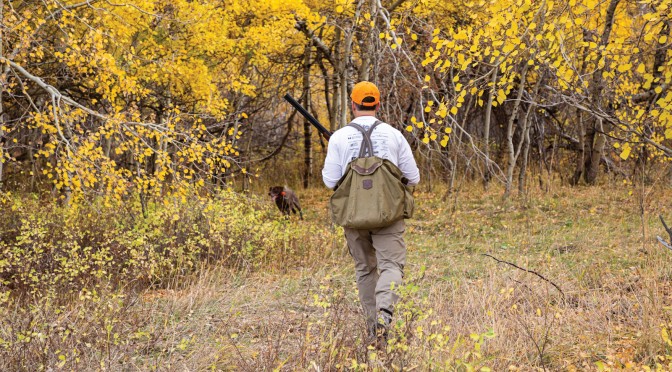
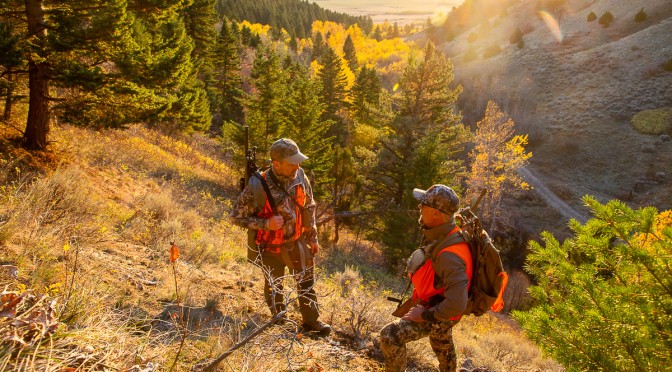
Montana is quite possibly the most hunter-friendly state in the country—both in terms of opportunity and the amount of game running around the hills. While elk and deer have a huge appeal, for newbies a good place to start is small game like grouse, squirrels, and rabbits. Learn to find, hunt, gut, skin, and cook them—gain competency with these smaller species before thinking about pursuing larger game. Rabbits and squirrels can be hunted year-round, so poke around some public land—ideally off-trail, to avoid spooking hikers—with a .22 rifle or 20-gauge shotgun. On September 1st, mountain-grouse season opens, and targeting these tasty birds really just involves hiking around the woods with a shotgun. Either a 12- or 20-gauge will get the job done. Look for ruffed grouse in thick brushy areas with abundant berries, and blue grouse on ridgetops. Either way, stay on high alert—these birds are often quick to fly when spooked.

Foraging
Part of living in Montana is learning basic woodsman skills—like starting a fire and identifying edible plants. If the latter is new to you, berry-picking is a great place to start. Huckleberries, wild strawberries, and raspberries are all easy to identify and can be picked in large quantities in the right places, at the right times. That means you could be reaping the rewards of your labors for months to come.

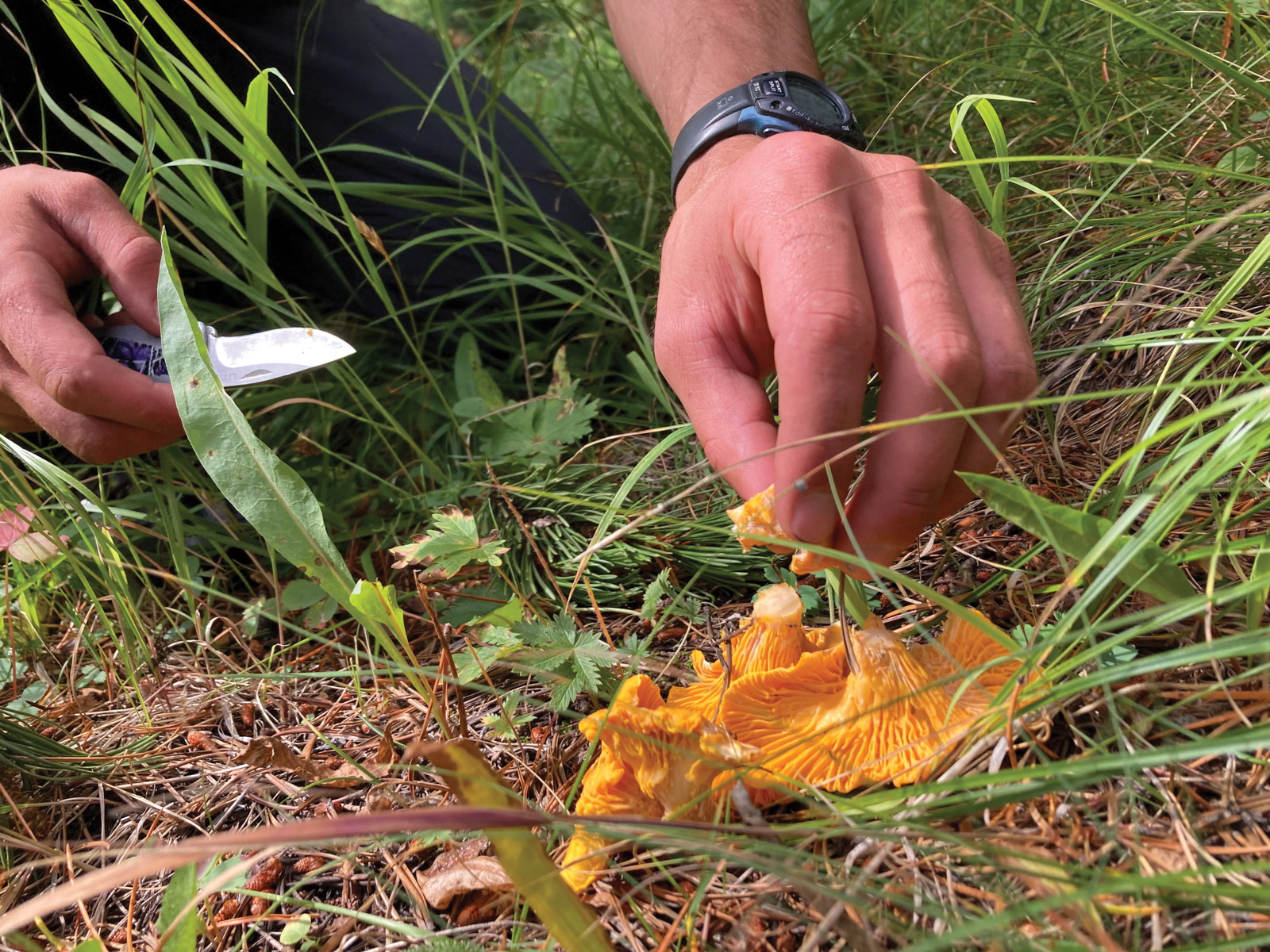
Another commonly-foraged food in southwest Montana is mushrooms. Morels in the spring and chanterelles in late summer provide two opportunities to fill the pantry with wild fungi. However, there are poisonous lookalikes for both species, so it’s worth going with someone who can positively identify both the safe and harmful varieties. An experienced forager can also show you the types of places to look for mushrooms—they require specific soil types, shading, and temperatures.

ChanterelleForaging-HebgenLake-EliFournier-4

Packrafting
Although a relatively niche activity, packrafting offers an adrenaline-packed avenue into relatively untouched places. Boats are expensive, but once acquired can open up a huge number of possibilities in southwest Montana. Think about hiking deep into a wilderness area and floating out in style, taking in the sights, sounds, and wildlife from the comfort of a boat. Modern packrafts are also capable whitewater boats, and with an experienced paddler at the helm, they can handle most things a larger raft or kayak could. Ask around and you can likely find someone with a packraft to test out before you go full-send on the activity. Just be sure to take care of your friend’s boat, and repay ’em with a sixer of beer.

Canoeing
While whitewater certainly steals the show in southwest Montana, stillwater shouldn’t be overlooked. Canoeing can be a tranquil way to spend a day, or if you’re into fishing, a productive means of covering water and finding fish. Some good options are Hebgen, Quake, and Ennis lakes. All three can get dangerously windy for canoes, though, especially in the afternoons. So consider putting on early. There are also a handful of canoe-friendly rivers that could make for overnight excursions, especially in late summer when the water’s too low for rafts. Look toward the Jefferson, Big Hole, Beaverhead, and Yellowstone, to name a few. Just remember that per Montana law, you must have a PFD on board for every person. Doesn’t mean you have to wear it all day, but it’s gotta be in the boat.

Regardless of how you enjoy a Montana summer, it’s hard to go wrong so long as you’re outside. Find a friend or mentor who’s into any of the above activities (shouldn’t be hard), and off you’ll ride (or paddle, or hunt) into the sunset.

Taking the Scenic Route

How to build your résumé after college.

by Morgan Solomon

After you prop that ridiculous square cap on your head and throw a black robe over your shoulders, reality soon sets in: what now? Instead of hustling to that nine-to-five career, why not wait a while and “experience life”? You may be worried that if you don’t take the first job offer, you’ll go nowhere in life. But that’s not necessarily true—provided you don’t become a permanent couch potato. Here are some ways to build your résumé after college while still having a little fun and freedom.

1.) Get certified. If your outdoor passion offers some kind of certification or qualification course, do it. Becoming a certified fishing guide, raft guide, ski patroller, lifeguard, or first-aid provider will boost your résumé. It shows your employer you’re driven to pursue your goals and earn your dream job. It also offers a fallback occupation should you ever need it.

Get certified as a mountain guide

Get certified as a mountain guide

2.) Intern. Not quite ready for all the responsibilities and time commitment just yet? Feeling underqualified despite your $40k education? You have the knowledge but not the experience, so why not intern somewhere that you could see yourself working.  Having  the skills needed for your future job will set you apart from your peers and make your a more appealing applicant. Employers often don’t look at your 4.0 GPA,  but they do pay attention to your experience.

PG_Banners-03

Click image to learn more

3.)  Give a year. Although you’re not getting paid, volunteering shows you are doing something valuable with your time. It also gives you a wider social network and a greater skillset. Try volunteering for something related to the jobs you may apply for in the future. Do you like to travel and help others? Spend a year serving with an organization like the Peace Corps or Americorps. These programs can provide you with resources, connections, and experience that will bolster your résumé.

4.) Do what you love.  If you love to ski and whitewater kayak, think about taking a seasonal job as a ski patroller or whitewater rafting guide.  Love horses? Work in a stable or at a guest ranch. This option not only offers a fun work environment with other people your age, it will provide you with new life experience. The ability to talk about your passions in relation to recent events makes you more interesting in an interview. Be careful, though—don’t take advantage of your job. Take responsibility for yourself and others. Your supervisor will be more likely to give you that glowing recommendation that makes you a better candidate for a management position.

Try working at a stable

Try working at a guest ranch

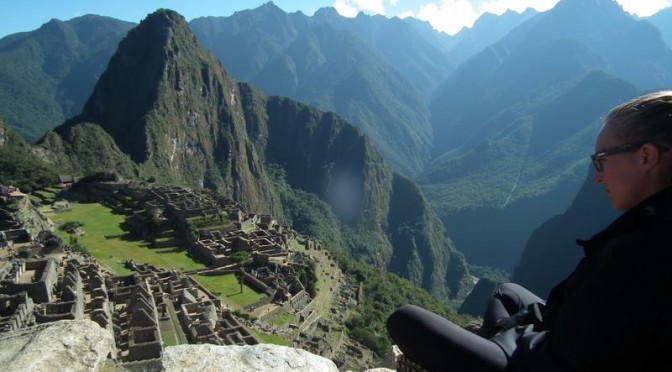
5.) Travel. Experiencing new cultures allows you to gain new perspectives on life and helps you understand new customs and beliefs. Traveling will help you develop your own opinions and ideas, making you a much more innovative and resourceful candidate. It will also make you a more interesting person—every excursion will have a story behind it, whether good or bad.  Use it to your advantage.

Machu Picchu, Peru

Life lessons above Machu Picchu, Peru

6.) Learn a new language.  A full-time job leaves little time for anything extra. Take advantage of the time you have now to enhance your résumé by learning to speak another language. Foreign-language skills open up doors and set you apart from the competition. With the growth in immigration and international business, fluency in another language is an invaluable skill and one you’ll never regret developing.

7.) Meet people. Networking—the first and foremost thing you can do to build your résumé. With today’s job market, it’s all about who you know. Employers often use recommendations to tip the scales when assessing applicants with similar qualifications. Attend social functions, join professional groups, and make a point of chatting people up when you see them around town. Yes, it can be intimidating to talk to people with experience—get over it and start a conversation.  This includes former professors and employers. Their recommendations may be the deciding factor on whether you get the job.

Bozeman Bucket List

by the editors

It’s impossible, even in a lifetime of living in Bozeman, to do it all. That being said, there are a few must-dos to tick off as soon as possible, for a proper enrollment into the outdoor life of the Bozone. Here’s a starter list to accelerate your initiation.

Spring/Summer
Hike the M

Bike to Mystic Lake

Run whitewater on the Gallatin

Rock climb at Practice Rock

Join the bikini hatch on the Madison River

Catch a trout on the Yellowstone

Hike, run, or ride the Main Street to the Mountains trails

Enter a classic local trail race (Baldy Blitz, Bridger Trail Run, Ridge Run, etc.)

Fall/Winter
Hunt elk in the mountains

Stay in a backcountry cabin or yurt

Soak in the Boiling River

Sled down Peets Hill

Cross-country ski in Hyalite

Ski the Ridge at Bridger Bowl

Ride the Big Sky tram up Lone Peak