All posts by pocket@dmin

Hit the Trails

by Adam Brown

A guide to exploring Bozeman’s sprawling network of trails.

Next time you get a chance—a quiet moment under the big, blue Montana sky—take a second to look around. What do you see? First, you’ll probably notice the Bridger Range, cradling our town from the northeast. To the south, the Gallatin Range extends far back into the skyline. Southwest, the Spanish Peaks poke up, keeping the Madison Range out of view and ready to be uncovered. Due west and farther out, oftentimes fading into the horizon on hazier days, the Tobacco Roots loom in the distance. The Absarokas sit just out of view to the east, with no shortage of stones to turn.

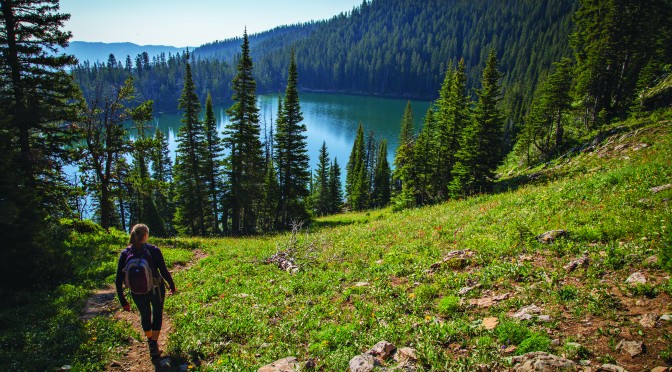
There are more ranges to see, of course, depending on one’s particular perch. But the point is, there are foothills, peaks, canyons, and valleys in every direction. Nearly every summit can be climbed; every drainage holds a secret. Even the foothills and woods near town abound with opportunity—the amount of adventures and experiences you can have is limited only by your desire to peek around that next bend. The best part? Trails wind their way through it all, beckoning you to come forth and explore. If you need some advice to get started, here are a few classic outings.

Around Town
Gallagator: Named after an old railway line, this trail acts like an arterial pipeline through Bozeman. It’s a popular commuter path from the north to the south end of town. On it, you’ll stroll by gardens, climbing boulders, and plenty of jumping-off points onto other local trails.

East Gallatin Recreation Area: North of town, you’ll find this local hotspot. Despite its close proximity and popularity, there is plenty to do here. Get in on the action at East Gallatin Pond (“Bozeman Beach” to the locals) or duck back into a trail system hidden among the river and trees. It, too, ties into other trails, including the path to the M.

Highland Glen Nature Preserve: This small network is another great close-to-town option. Here you’ll enjoy rolling hills, forested gulches, great views of the surrounding mountains above the lush vegetation, and the occasional company of grazing cattle.

Headin’ Up
Triple Tree: A local favorite in the foothills of the Gallatin Range. Get there using one of the nearby parking areas, or hike in from Painted Hills if you want to add some extra mileage. Otherwise, you’ll be getting about four miles of pleasant, forested trail with a great overlook back north over the valley. Be aware of mountain bikers on this trail, typically riding the loop counterclockwise.

The M: Montanans sure do love putting letters on their mountains. While some denote the town below or name of the mountain, our M is dedicated to Montana State University and goes back all the way to 1915. There are two ways to get up to the M. The standard route switchbacks along the foothills, while the steep route cuts straight up the face of the mountain. There’s a reason this hike is so popular: the view across town and the valley beyond is fantastic.

Drinking Horse: This mountain got its name because it resembles a horse taking a drink from a creek, when gazed upon from the east. The trail is another favorite of folks looking to get out for a jaunt close by, any time of year. In fact, the trail averages about 150 daily users in the winter and a whopping 500 in the summer. You may not get much solitude here, but the views toward the Bangtails and back into Bridger Canyon are remarkable.

Top Notch
Chestnut Mountain: A great summit option without having to go very far. You’ll find the trailhead just inside the mouth of the Bozeman Pass, on the way to Livingston—take the Trail Creek exit. Climb up a nicely buffed-out trail that switchbacks through forest and meadows until you’re finally rewarded with incredible views of the Absarokas and Paradise Valley.

Sacajawea Peak: One of the best bangs for your buck in the Bridgers (with Baldy a close second). Starting at Fairy Lake, this trail is only about four miles round-trip, but you’ll surely feel the elevation as you climb 2,000 vertical feet to the summit. At the top, you’ll get 360-degree views, including all the aforementioned ranges. The resident mountain goats have it good.

Mt. Blackmore: This mountain has a prominent presence over the valley, constantly peering down on us from the top of the Gallatin Range. Just take a gander south and you’ll be able to make out its pyramid shape. Because of its physical and historical significance to the area, it’s well worth checking out up-close and personal. From the lower trailhead, four miles round-trip will get you to Blackmore Lake, and 12 will take you all the way to the summit and back.

Etiquette
Most of the above trails are shared with bikers—even some of the more challenging ones, like Blackmore. Generally, bikers should yield to hikers, and both should yield to horses. Downhill traffic should also yield to those coming uphill. However, this is only a rough guideline, and a more nuanced approach should be taken. Just be kind, courteous, and keep your head up—everything should work out fine. It’s often much easier for a hiker or runner to take a step off the trail and allow fast-moving bikes to pass than it is to insist otherwise.

Events
May
Spring Cleanup – Hyalite Canyon. After a long winter, Hyalite needs some love. Pitch in for a morning of bagging trash and tidying trailheads. hyalite.org

May-June
GVLT Discovery Walks – Bozeman. Meet new people and make new friends on these one-hour guided walks along the Main Street to the Mountains trail system. 80+ miles await, all of which are right here, in and around town. gvlt.org 

May-September
Wind Drinkers Fun Runs – Bozeman. If you’re looking to ramp up the pace a bit and get into trail running, join the Wind Drinkers for some casual summer jaunts. winddrinkers.org

June
Summer Trails Challenge – Hit the trails and earn money for GVLT’s trail work and conservation initiatives. gvlt.org

June-August
L&C Caverns Guided Hikes – Whitehall. Explore the drier climes west of Bozeman at Lewis & Clark Caverns State Park, where guides offer an immersive hike through the sagebrush hills. fwp.mt.gov

June 1
National Trails Day – Bozeman. This is the best day to give back to the trails that give us so much. Almost every trail-related nonprofit in town has a work day scheduled, so you’ll have plenty of options to choose from. gvlt.org 

September 28
National Public Lands Day – Bozeman. Around here, we use public lands all the time, which means they need a little love and care every year. Use this last Saturday of the month to go for a hike, do some trail maintenance, or find a new trail run. gvlt.org

Editor’s note: dates are subject to change based on weather and other factors. For the most updated information, visit outsidebozeman.com/events.
Sleepin’ Around

by Jamie Rankin

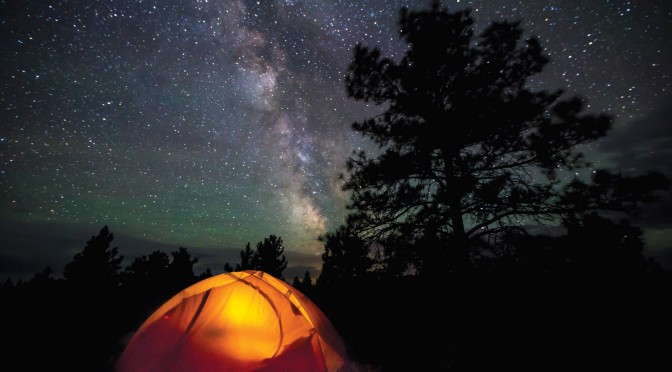
There’s nothing quite like sleeping under the stars with the sounds of crickets singing in the background, or drinking your morning coffee overlooking a ridgeline or high-alpine lake. From towering peaks to riverbanks, southwest Montana overflows with areas to lay your head outdoors—for both the novice camper and seasoned backpacker. So, pack your bags (and bear spray) and venture out to unplug. There’s an endless amount to see.

Do Your Research
Waking up at your camp spot is part of the magic, but so is finding the spot to begin with. If you go to the first place you find from a Google search, props to you—but don’t be surprised if you’re not the only one with that idea. Get to know the landscape by doing research and becoming intimate with the different types of public lands.

U.S. Forest Service land, managed by the Department of Agriculture, typically offers dispersed (read: camp where you want) camping opportunities with and without amenities, allowing for a more choose-your-own-adventure type of experience. BLM (Bureau of Land Management) land, under the Department of the Interior, also offers dispersed camping—but is known for its wide-open spaces and fewer regulations, catering to those seeking solitude and more primitive camping. State Parks, managed by Montana Fish, Wildlife & Parks (FWP), generally provide more developed camping facilities such as designated campsites, water spigots, and restrooms, making them more family-friendly and structured. Fishing Access Sites, also managed by FWP, offer simple camping near area rivers and lakes, and many provide restrooms and designated campsites.

Regardless of which you choose, be sure to pick a destination that matches your experience level and the desired difficulty of everyone on the trip. If you’re backpacking, is the trail physically accommodating to all on the trip? If car camping, do you need a high-clearance vehicle to access the campsite? Research the area thoroughly, understanding the trail maps and routes. Check for any necessary permits or regulations, and ensure that you are allowed to be there.

Furthermore, it’s helpful to make plans B and C for your camp spot, in the instance that your first or second choices are occupied. Montana’s weather can also vary by the hour, so it never hurts to peek at the weather forecast before heading out. Finally, always inform someone about your itinerary and expected return.

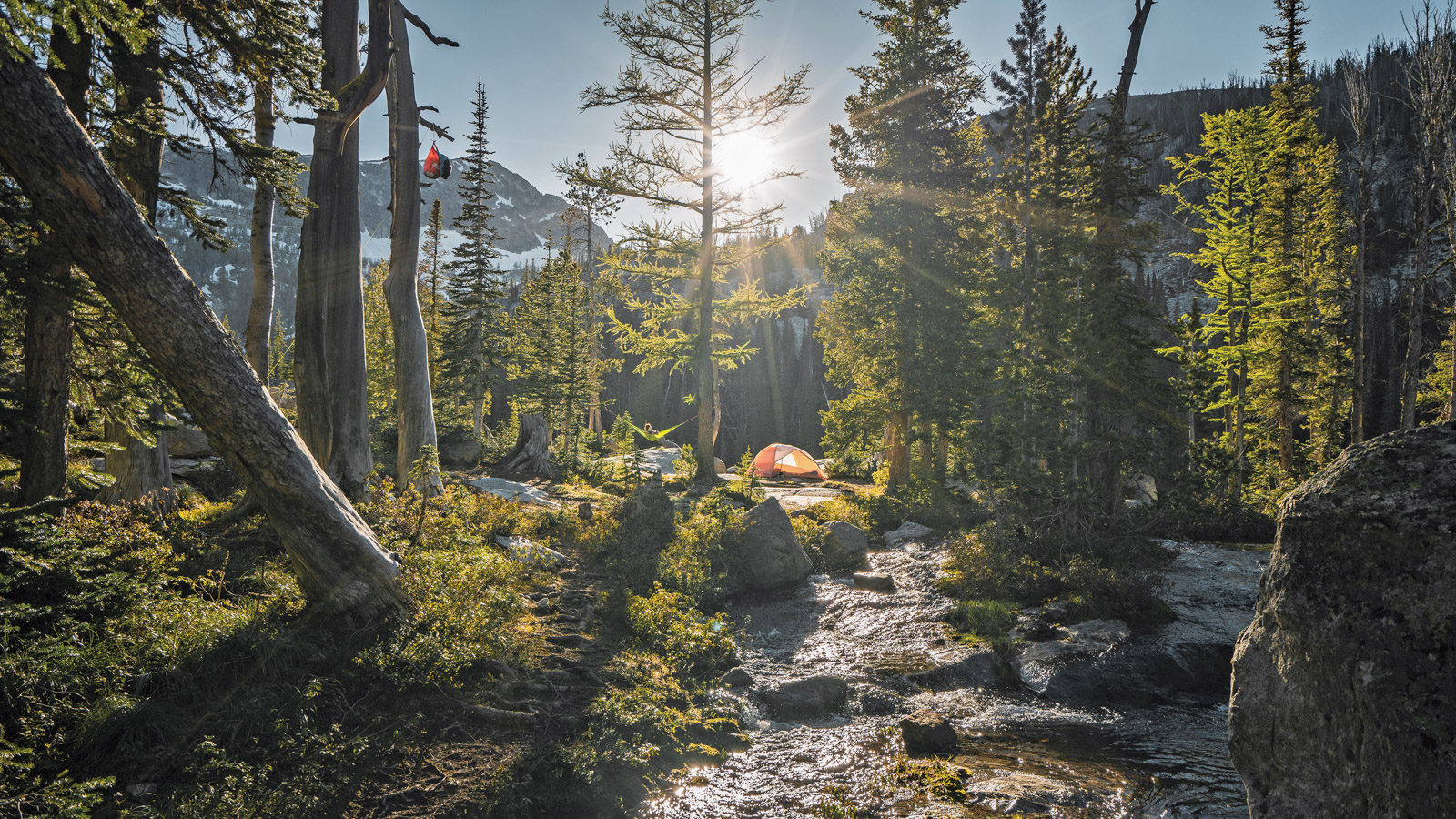
Camping in the Bitterroot National Forest

Essential Gear & Equipment
Lack of the proper gear can quickly turn your long-awaited camping trip turn into a nightmarish endeavor. Some must-have items include a quality tent and rainfly, a sleeping bag appropriate for the season, a sleeping pad for comfort and insulation, a portable stove, cooking utensils, a water filtration system, and bear spray (each individual on the trip should have a canister). Be sure to have clothing and shoes suitable for the weather and elements, and a way to keep it all dry if you get caught up in a rainstorm. A tarp, raincoat, or even spare trash bags will all do the trick.

It’s also beneficial to bring along a first-aid kit, soap or hand sanitizer, navigation tools, a headlamp, and a multi-purpose tool or knife. If you’re car camping or have weight to spare in your backpack, this list could become as extensive and glorious as you desire. Reviewing a checklist before your departure into the backcountry can ensure you don’t forget any critical items and help you pack efficiently.

At Camp
Great, you’ve arrived at camp! Now let’s make sure you leave it in the same state, if not better, than when you found it. When setting up your tent, look for a flat, sheltered area that is not too close to water—streams often rise at night from afternoon rainshowers or alpine snowmelt.

Pitch your tent on a durable surface and use a groundsheet to protect the tent floor. If you’re planning to have a group campfire, follow local regulations and practice fire safety. Properly dispose of waste (pack it in, pack it out!) and store food securely to avoid attracting wildlife. Avoid walking off the established trails at campsites to minimize your impact on the area.

Better Safe Than Sorry
A well-stocked first-aid kit complete with emergency medications is great to have on a trip, but by taking mindful precautions, you could likely avoid using it all together. As simple as it sounds, make sure to stay hydrated to combat the heat and elevation.

Having someone on the trip that knows basic first-aid procedures is ideal, and it is wise to review allergies with the group. It’s also helpful to be familiar with basic flora and fauna, as to make sure no one goes frolicking through a shrub of poison ivy or into the fangs of a rattlesnake.

Bear safety is a major precaution in southwest Montana as well. You’re in their home, after all. The camp kitchen and suspended food storage with all scented items (yep, toothpaste, lip balm, and that granola bar from the bottom of your backpack) should be at least 200 feet from your sleeping quarters.

Now that you’re all up to speed on research and safety, don’t forget to have fun and enjoy these beautiful landscapes we get to call home—from the comfort of a tent, that is.

Keep Rollin’

by Eli Fournier

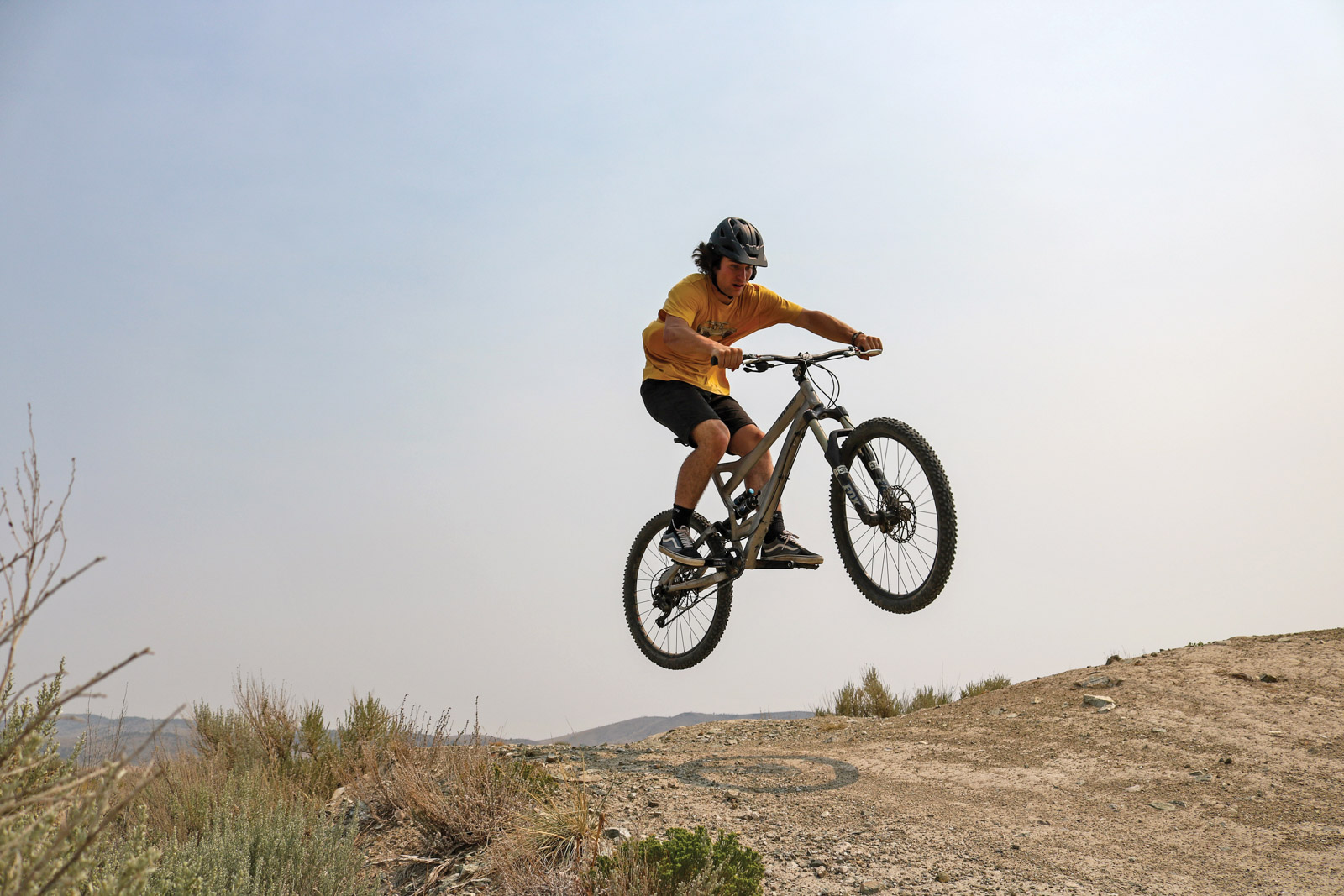
Drive around town these days, and you’ll notice mountain bikes hanging off vehicles left and right. Who are these people and where are they going, you ask? Well, turns out these folks are part of a flourishing and growing mountain-bike scene here in Bozeman—one well worth partaking in. Mountain biking can be expensive to get into (as with any outdoor sport), but once you have the basic gear, the options are endless. Here’s a rundown on local singletrack.

Where to Go
For a newbie, there are miles of trails in and around town that make for easy between-class or after-work excursions. For a classic ride, hop on the Gallagator to Peets Hill. Once atop, take a connector trail east to Highland Glen, and then turn south on the Painted Hills singletrack toward the Gallatin Range. The trail rolls and flows for a couple miles, eventually tying in with Triple Tree—an easy lollipop loop best ridden counterclockwise. Be careful coming down on the stem of the loop, as there are a few blind corners and lots of uphill traffic from both hikers and other bikers. Head back the way you came, or on Sourdough Road.

Another short, popular ride near town is Leverich Canyon, a small drainage tucked into the foothills between Hyalite and Bozeman Creek. For an extra workout, ride South 3rd from town to the trailhead. If you drive, know that parking is limited, and the access road is surrounded by private land, so there’s no overflow parking if the lot’s full. It only holds about two dozen cars. The Leverich Loop is designed to be ridden clockwise, and the downhill is built out with some flowy jumps and turns.

Once you’ve got a handful of riding days under your belt, test your endurance, strength, and technical skills on the Bangtail Divide.

For something a little more challenging, but still well within the wheelhouse of an afternoon ride, look to Chestnut Mountain. To get there, hop on I-90 eastbound and take the Trail Creek exit about ten miles from town. Cross the train tracks, and park on the side of the road at the base of the mountain. Chestnut can be ridden as an out-and-back up the mountain, but the uphill is brutally steep. More popular is a loop up Trail Creek Road to the Goose Creek Trailhead, then around the backside of the mountain and down the front. It’s a challenging, 15-mile ride with several thousand feet of elevation gain and drop, but the views from up top are epic—not to mention you get a ripping downhill for the last 30 minutes of the ride. (Note: this trail is popular with hikers, runners, and dog-walkers, so be sure to slow down at blind corners and in general just be aware, mindful, and courteous.)

Once you’ve got a handful of riding days under your belt, test your endurance, strength, and technical skills on the Bangtail Divide. Park on the side of Stone Creek Road, right off Bridger Canyon. Park in a convenient and respectful spot—the landowner bordering the road filed a lawsuit against the Forest Service to cut off public access here, so try not to make things any worse than they already are. The trail begins by climbing for a couple hours on a series of switchbacks up and around Stone Creek, then flattens out as it hits the divide. The trail then turns north, running the ridge all the way to Brackett Creek. Ride the highway back for about a 25-mile loop in total, or hitchhike a ride.

Also on the east side of the Bridgers is Crosscut Mountain Sports Center, which maintains a number of mountain-bike trails in the foothills. Crosscut hosts clinics throughout the summer to hone skills like downhill riding and cornering. Practice on their mellow terrain, then take your newfound abilities to more technical mountain trails.

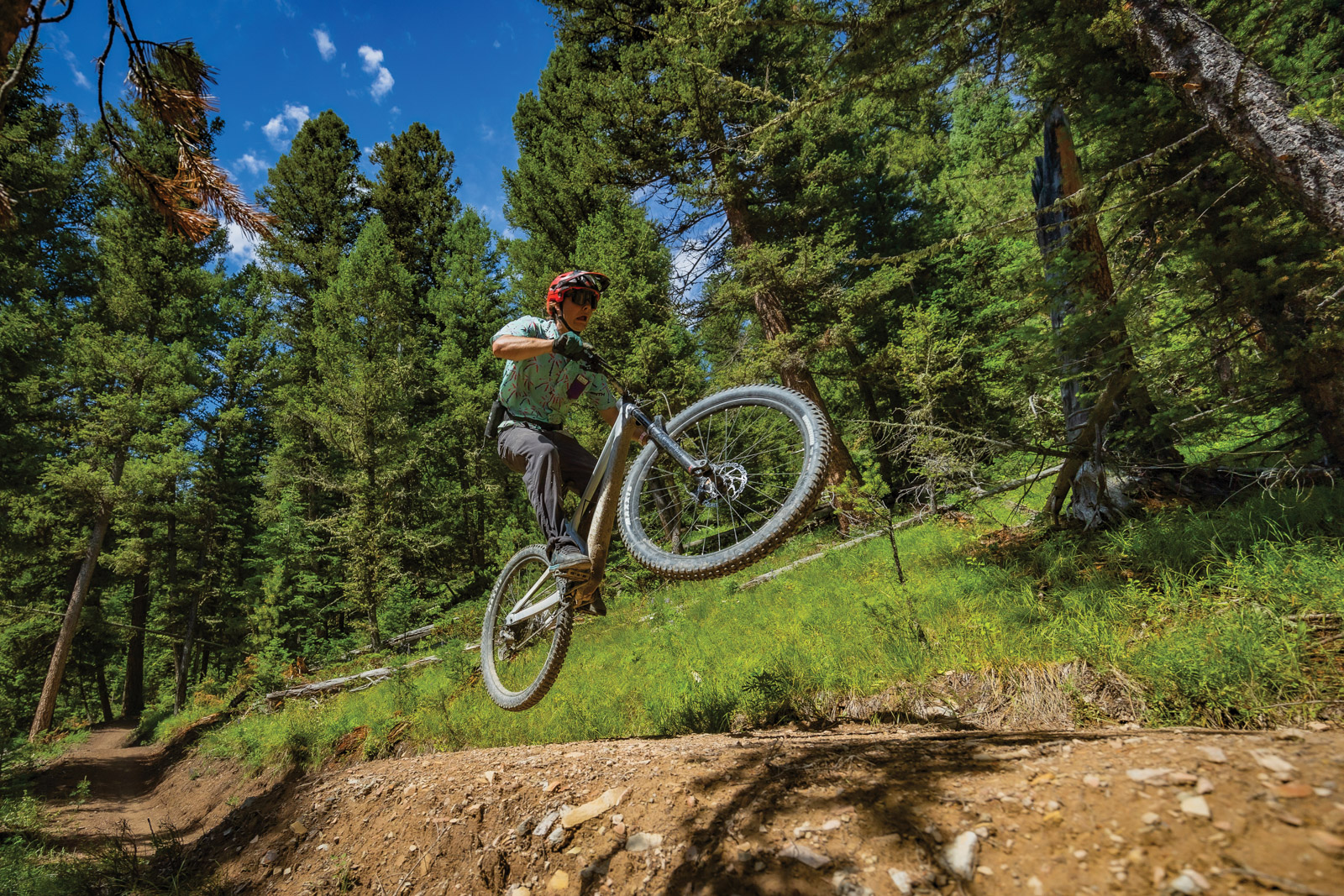
Once you’ve got a handle on the basics, it might be time for some downhill dirt. A number of ski areas in the region offer downhill, lift-accessed bike trails in the summer—including DiscoveryBig Sky, and Grand Targhee. The three offer very different experiences, from the commercial feel of Big Sky to the mom-and-pop vibe at Targhee, and the small-town Montana aura of Disco. What doesn’t change, however, is the risk of downhill riding. It’s dangerous—no two ways about it. Consider a full-face helmet, knee & elbow pads, and even chest pads if you’re serious about sending big lines. Check your bike thoroughly beforehand, too. Ensure your wheel hubs are tight, brakes are bled, pads are fresh, and shocks are lubed. Downhill riding can be an exhilarating, scary, skill-building experience.

MtntoMeadows-DanielTeitelbaum-26

Essential Gear
Mountain biking ain’t a cheap sport. First, there’s the initial investment in a bike. If you’re just getting into it, look at hardtails, which only have front suspension. They’re great to learn and hone your skills on, but if you stick with it, you’ll almost certainly want to upgrade to a full-suspension bike at some point. These more-expensive options typically have beefier suspension in the front fork, and an additional shock built into the frame to absorb hits to the back wheel. They’re a much smoother ride, and are capable of things that you really can’t do—or at least do well—on a hardtail.

In addition to a bike, you’ll need shoes, which come in the “flat” and “clipless” varieties. Flats are normal shoes, and a lot of people just ride in Vans or street shoes with flat soles. Flats allow you to bail off the bike quickly, if need be. They’re great to learn on, and lots of expert riders swear by flats. On the other hand, clipless pedals (which is a bit of a misnomer), secure your feet to the pedals with a mechanical mechanism, and give you power on up- and down-strokes. They’re preferred by lots of endurance riders and racers, but are certainly a bit challenging to learn on. You’ll fall over a handful of times before figuring out how to quickly release your shoes from the pedals.

You’ll also need a brain bucket. Remember, helmets are one-and-done, meaning if you take a big hit, you need to throw it away and buy a new one to fully protect your noggin. Don’t cut corners here—it’s not worth the risk. Also useful, but not necessary, is a hydration pack. Hip packs are the most comfortable to ride with as they put the weight on your lower back instead of your shoulders; but backpacks are fine, too. Finally, bring along a patch kit, packable pump, and spare innertube.

Etiquette
Let’s keep this short and simple. According to the rules, downhill bike traffic yields to uphill traffic, and bikes yield to both pedestrians and horses. However, if you ask politely or give a friendly “on your left,” most hikers will clear the trail for you. It’s often easier for them to step off to the side than for a biker to drag his bike off the trail. Be friendly to other riders, and offer assistance if you come across a rider with a flat tire or mechanical problem. It’ll come back around when you inevitably need help at some point down the trail.

Camp Chef

CampCooking-WindRiverRange-JackTaylor-1by Jack Taylor

Cooking in the backcountry.

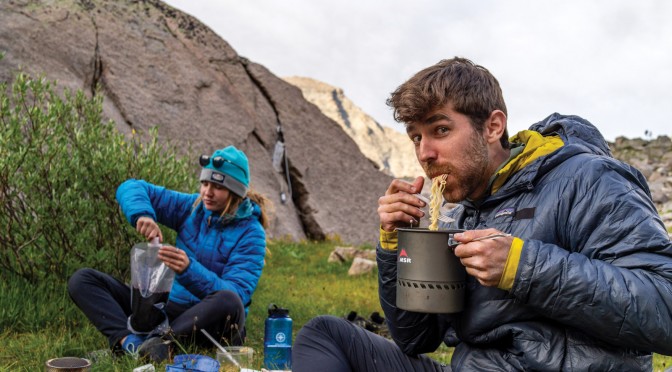
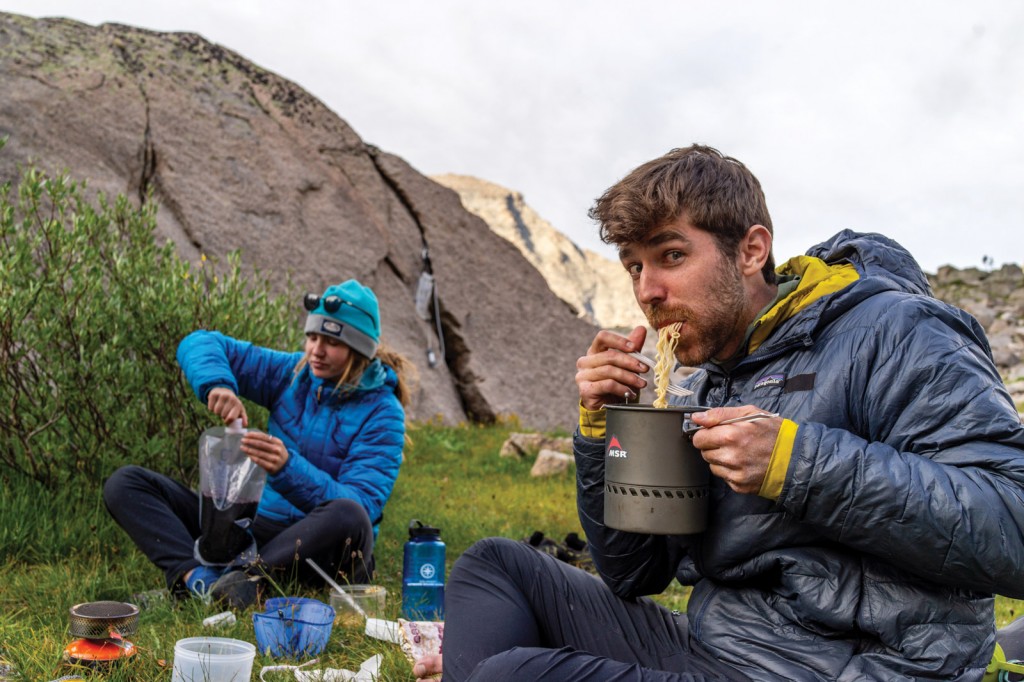
Cooking can be one of the most stressful aspects of camping for beginners, and one of the most joyful for veterans. Eating good food will not only keep you energized during your trip, but will also boost your morale. There’s nothing as sweet as kicking your feet up with a hot, tasty meal and watching the sunset from camp after a hard day of playing out in the backcountry. Here’s a rundown on how to crush camp cooking.

Stoves
There are three types of camp stoves to choose from: butane, propane, and white gas. Butane stoves are light and simple, but are less versatile and don’t do well in cold temps. Propane stoves are powerful, versatile, and great for car or river camping, but they’re too heavy for backpacking. White gas stoves are versatile and light, but they’re slightly more complicated to operate and maintain. Choose the right stove for your application.

Fire
Cooking on an open fire is one of the great pleasures of camp cooking. Get the fire started well beforehand to ensure you’ve got some nice hot coals to work with. Move the coals around to adjust heat. You can cook with a grill-grate, cast-iron pan, or Dutch oven. Looking for something lighter? The Fry-Bake Expedition Pan is aluminum and rated by the manufacturer for open-fire cooking. It’s expensive, but it’s the best lightweight pan you can buy.

Cook Kit
Keep your cook kit simple. A frying pan and one pot with a lid should suffice—size depends on how many you’re cooking for. Get a small metal spatula and a pair of pliers to grip your cookware. Bring a small, sharp knife and small cutting board. Opinel has some great utensils, and Gerber makes excellent bowls and plates for serving food. If you like coffee, GSI offers a light, reusable pour-over device. Don’t forget your mug!

Spice Kit
If you want to cook great food in the backcountry, you need to add some flavor. A small assortment of seasonings and spices goes a long way. MSR makes a compact salt-and-pepper container that’s great for other spices, too—keep a few in a small stuff sack. Take whatever spices you like, but never go without salt and oil. Chicken bouillon powder and hot sauce are also kick-ass. Experiment with dry sauce packets such as instant gravy, alfredo sauce, and chili mix.

SethDailey-EggsBacon

Produce
Even without a method of refrigeration, you can still bring some produce on your camping trip. Raw meat and leafy greens can go unrefrigerated for the better part of a day. Most veggies will last for at least a few days, while hardy fruits and veggies such as oranges, apples, potatoes, onions, and carrots are good for a week or more. Summer sausage, cheese, and butter will also last over a week, provided you keep it sealed and cool.

Dry Goods
Whether you’re backpacking, river camping, or car camping, you’ll want the majority of your food to be dry and non-perishable. Rice and pasta are obvious staples, which can be spun into an immense variety of meals by adding other ingredients. Dried fruits and nuts are great for snacking, and can be added to breakfasts such as oatmeal or granola for some extra flair (add powdered milk for more flavor and calories). If you have a dehydrator, you can make DIY dehydrated foods—canned chicken or beans, mushrooms, frozen peas or corn, and zucchini all rehydrate well.

Baking
Backcountry baking? You betcha. If you want to take camp cooking to the next level, baking is where it’s at. You can use baking powder to leaven pancakes, biscuits, scones, and muffins. If you want to get real fancy, use instant yeast to leaven bread, pizza, or cinnamon rolls.

Recipes
One of the most fun parts of camp cooking is coming up with your own recipes. Put veggies and seasonings into rice or couscous to make a pilaf. Fry some potatoes, then load up the skillet with meat and cheese for a hearty breakfast scramble. Cook pasta, then layer it with sauce and cheese to make a casserole. The sky’s the limit!

Sound & Fury

CopperCityJumping-AshleyDunneby Adam Brown

Classic music & recreation combos.

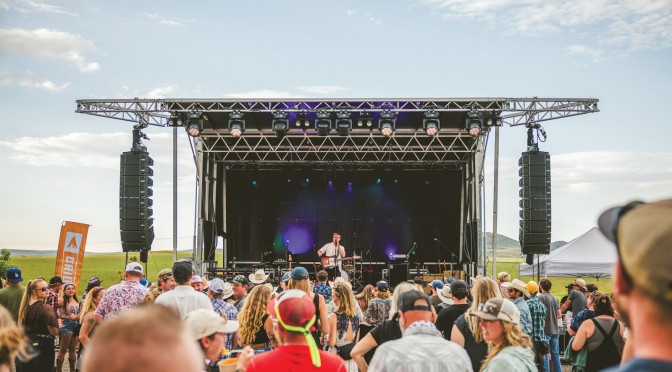
Here in Montana, we take a few things pretty seriously. Among them are music and outdoor recreation, along with rodeos, dancing, and getting dirty outside. Even better is when we can combine them all into a day’s worth of fun and adventure. Coincidentally, it just so happens that some of the best music events happen right next to some of the best recreation in the region. Here are a few combo ideas to get the juices flowing.

Bridger Brewing, Three Forks
This is one of the area’s newest music venues, and they’ve started out strong by bringing some great shows to the region. They have an outdoor stage where talent comes, big and small, to perform with the Bridger Mountains as the stage backdrop. They also bring bands indoors all year long so you can catch local music with pub fare and a pint in winter. Beforehand, hike at Headwaters State Park, bike Copper City, or fish the Madison.

Music on Main
This is a summertime staple. Put on by the Downtown Bozeman Association, it marks the time when summer is in full force. Energy levels are high and the town is buzzing. The downtown strip closes for the evening and a stage is erected right on Bozeman Ave. Shows happen every Thursday. Before catching some tunes, consider biking Leverich, fishing the East Gallatin, or climbing in Bear Canyon.

Music in the Mountains
Another must-see during the summer season, these events are put on by the Arts Council of Big Sky. Every Thursday throughout the season, folks fill the park in the middle of Big Sky’s Town Center to dance and groove. Before the show, hike to Ousel Falls, fish the Gallatin, or bike the Mountain to Meadow trail, which ends pretty much right at the stage.

PineCreekLodgeConcert-3

Pine Creek
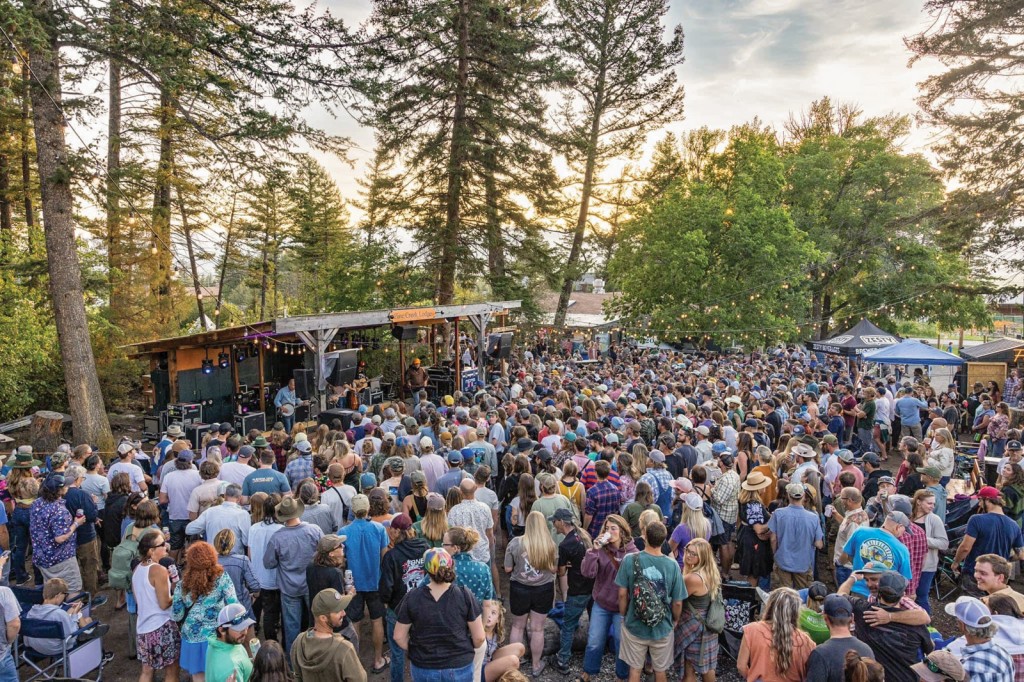
Pine Creek is one of the coolest venues in the area. Located in Paradise Valley, the stage is set back at the base of the Absarokas and is surrounded by woods. It’s truly a magical place, and manages to book some world-class acts. While in the area, take a whole day to fish and float the Yellowstone, climb at Allenspur, or bike Trail Creek.

Gravel Bar & Willie’s Distillery
There’s almost always something going on around the block over in Ennis. It’s a great way to mix things up and do new things, like fishing the upper Madison, soaking in Norris Hot Springs, or swimming in Ennis Lake. Burgers at the “G-Bar” are pretty dang good, too. Afterward, enjoy the bands and solo acts that grace these and other establishments several nights a week.

The Rialto / The Elm / Live from the Divide / Filling Station
When you’re looking for a chill evening in town, look toward these musical hotspots, year-round. Pair them with some outdoor excursions such as skiing Bridger Bowl, biking the Bangtail Divide, swimming in Fairy Lake, or hiking Mount Baldy. It’s tough to go wrong, even right here in town!

An Outdoor Affair

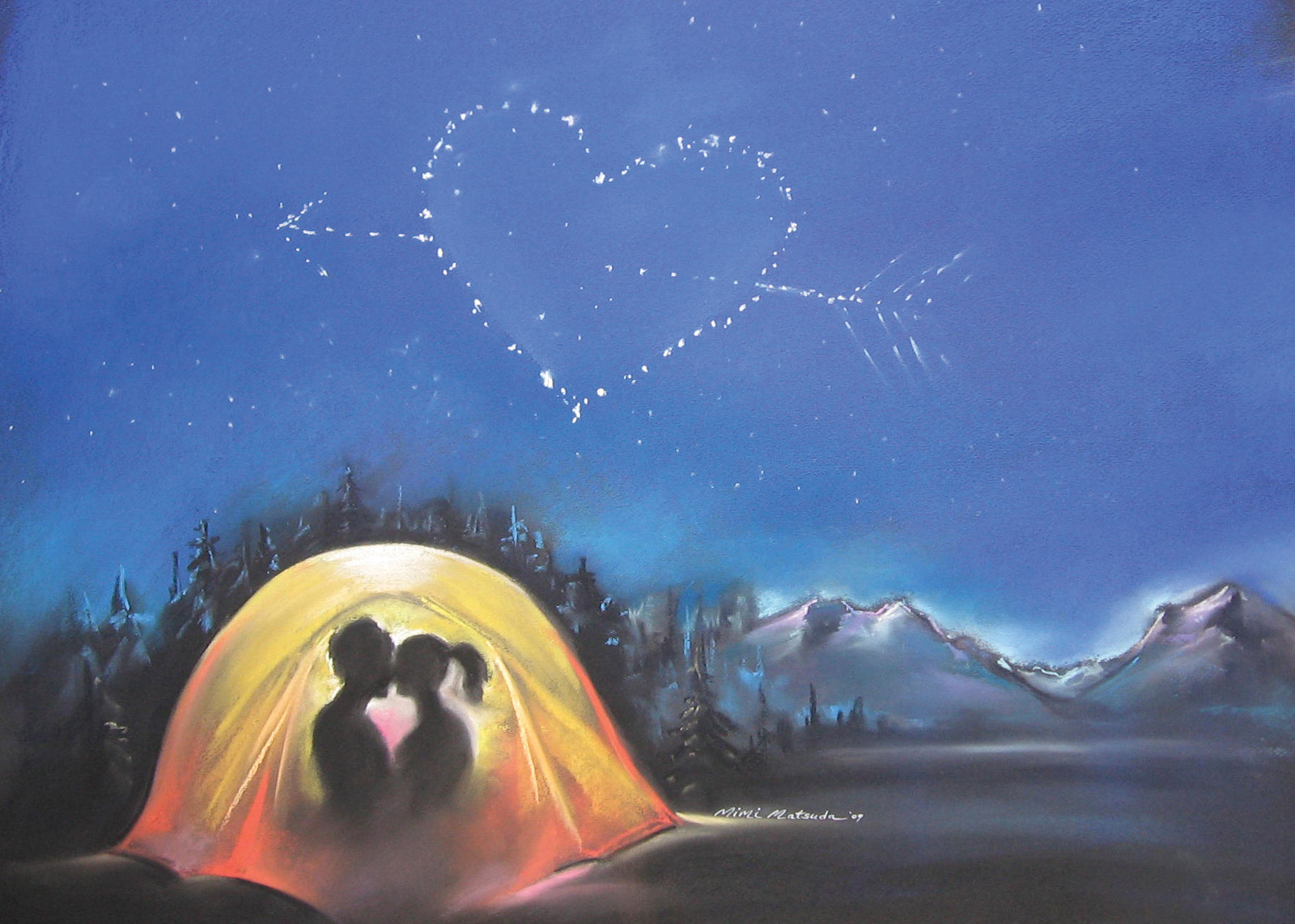
CampingCouple-MimiMatsudaby Eli Fournier

The top ten outdoor dates near Bozeman.

Ever meet a first date for dinner at 7pm, only to find yourself cooped up indoors at some generic watering hole, surrounded by other people, with someone you quickly realize you don’t even like? Fortunately, in Bozeman, there’s a plethora of other options and things to do outside—so even if you don’t hit it off, the date isn’t a waste of an evening. Here’s our list of ten great spots for an outdoor date.

Peets Hill: There aren’t many better spots to watch a sunset than on a bench overlooking Bozeman and the entire Gallatin Valley. Best part is, your house ain’t far away if you want to take things further than a walk in the park.

Driving Dirt Roads: Get lost, crack some beers, fold the seats down… maybe even let ‘em take the wheel. You’ll want good suspension—for multiple reasons.

Shakespeare in the Parks: Grab a blanket, some snacks & beverages, and settle down with your Romeo or Juliet for an evening of comic, or dramatic, relief. You can find these shows in hamlets (ha) all across Montana.

Hyalite Reservoir: Head up the canyon for an afternoon of hiking, paddleboarding, and picnicking. If things go well, you can even hop in the lake for a skinny dip.

Yellowstone Park Tour: Take a day trip to the Lamar Valley for some quality animal- and people-watching, which also makes a great IQ & compatibility check. E.g., when your date sees a bear, does he stop in the middle of the road and block traffic like an idiot? Does she take photos of coyotes, or selfies 20 feet from a bison?

Lewis & Clark Caverns Tour: Recreation’s great, but geology and history are cool, too. The caverns are dark, with many nooks and crannies to sneak away for a quick smooch.

Bozeman Pass: A nice walk from the Trail Creek parking lot to the climbing area provides plenty of time to shoot the breeze. Can his soft computer hands handle the limestone? And how deft are they—on the rock or elsewhere?

Big Timber Rodeo: Does your date dress like an obvious urban cowboy or cowgirl? Does she complain when the only drink options are Coors Light and boxed wine? Does he know how to swing dance? These are all make-it-or-break-its ’round here.

Brackett Creek: For some alone time in the woods, head to Brackett Creek for a winter Nordic ski. Does your date get cold easily? How does he perform when out of his comfort zone? These can be telltale signs of how things will work out.

Lower Madison: There aren’t many legal ways to get your date drunk and partially naked faster than a booze cruise on the Lower Madison. Put in at Warm Springs, and by the time you take out at Black’s Ford, you might know his or her darkest secrets—and kinks, for that matter.

Follow the Leader

by Jack Taylor

No matter which outdoor sport or activity you’re involved in, no matter what your ability level, no matter how long you’ve been doing it—having a good mentor will surely improve your experience. There will always be someone better than you, and that’s a great thing, because it means you’ll have a chance to improve. Finding a good mentor might be easier said than done, but with the right attitude, it can be a breeze.

The most important quality to look for in a mentor is compatibility. You’re going to spend time with this person, so make sure that you get along! Even if someone is extremely experienced or knowledgeable, you’re not going to get a lot out of the partnership if you find the person abrasive, contentious, or difficult to talk to. So, first things first: make a friend.

Where can you find a friend-and-mentor? Your best bet is to hang out where you imagine such a person would be hanging out. Looking for a river buddy? Head to the take-out. Climbing pal? Hit the crag. Even if you don’t have any skills or know-how, just start talking to people. Ask about what they’re doing, and offer a favor—like running a river shuttle or giving a belay. Don’t know how to do those things? This is where you start learning!

For the technologically inclined, Facebook groups can provide a platform for connecting with mentors. Most popular activities in the area have online groups, and it’s common for folks who are new to the area or sport to post publicly about seeking guidance.

As you begin to build a relationship with your mentor and build experience in your activity, recall that many folks have been in your position as a newbie. In fact, everyone who is good at something was one a complete novice at it. Even your mentor. All that to say, it’s natural to feel nervous, intimidated, and uncomfortable when trying new things. Working through these feelings is fun and rewarding, and leads to gaining confidence.

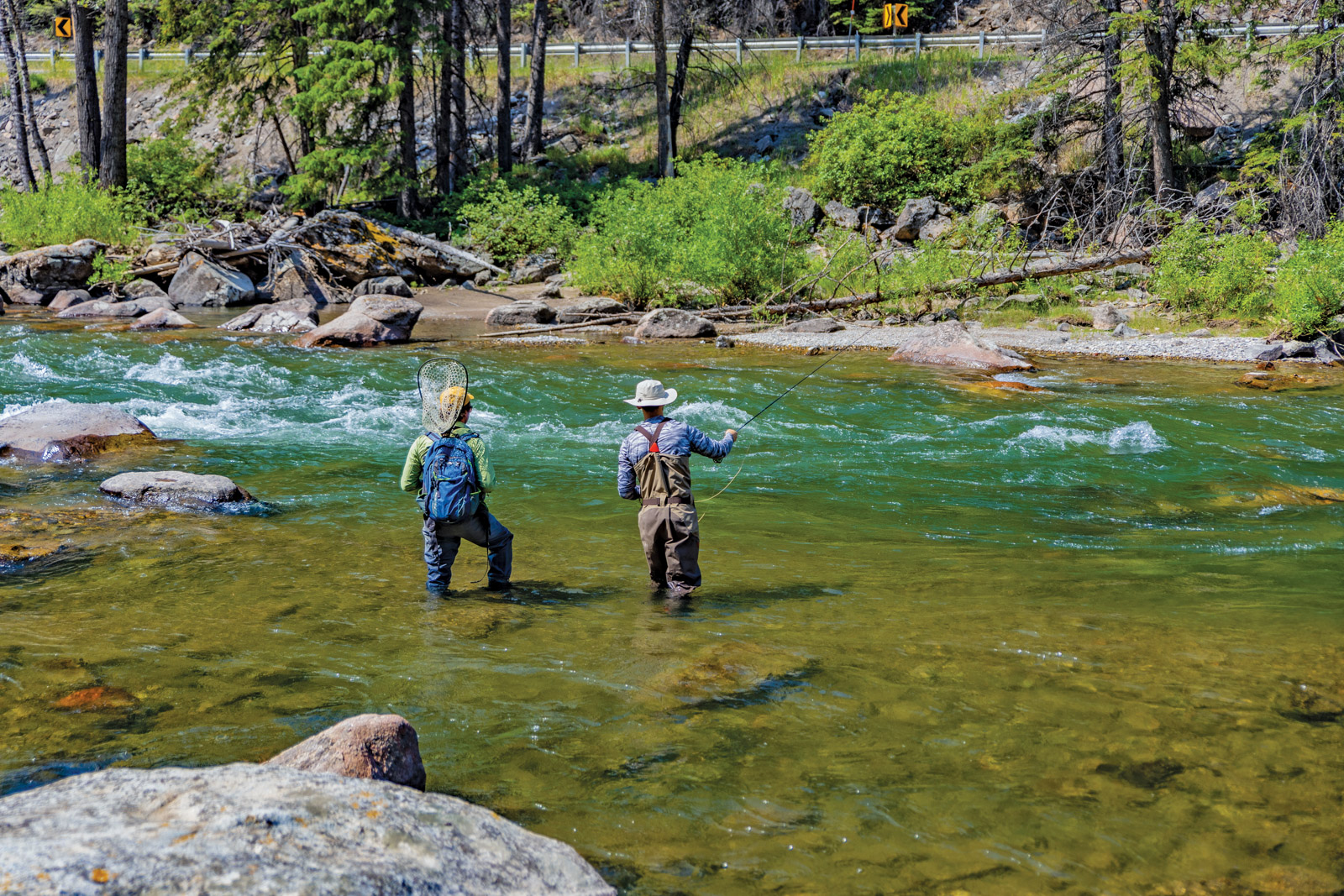
FlyfishingGallatinRiversideTrail-DanielTeitelbaum-3_LR

Once you gain confidence, don’t be afraid to flaunt it. Your mentor ought to be enthralled that you’re finding your way along the path to excellence. Still, remain humble. There is always more to learn, and you’ll probably learn techniques or practices early on that should be adjusted or amended as you gain experience. Don’t be afraid to change your ways, or even to find a new or additional mentor.

Also, don’t be afraid to be skeptical. One aspect of a mentor-mentee relationship that can occasionally lead to trouble is known as the “expert halo,” wherein a mentee views a mentor’s practices as unequivocally right and correct. More often than not, there are many different ways to “do it right.” So speak up if you have a question, or if something looks off. It’ll lead to a learning moment, and could even prevent a mishap.

Lastly, if you’ve had a good mentor and have come to proficiency in your chosen activity, pay it forward by taking on a mentee of your own. Bringing a new soul into the realm of your passion is an exciting and rewarding experience. You’ll see reflections of your past self as your mentee works through challenges and overcomes obstacles. You’ll become more confident in your own skills by teaching someone else, which will lead you to having more fun. And best of all, you’ll have one more new adventure buddy to get out there with. So don’t be shy—get out and make it happen.

Get the Skinny

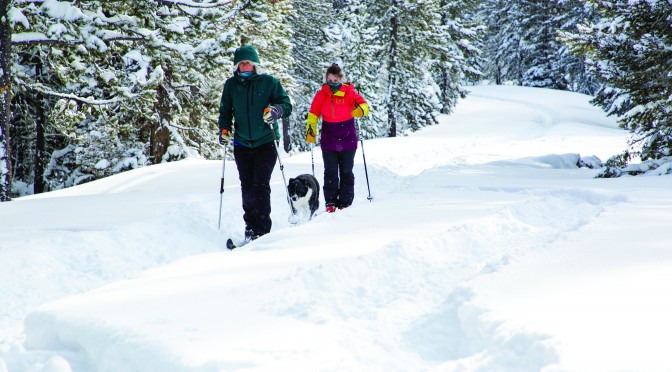
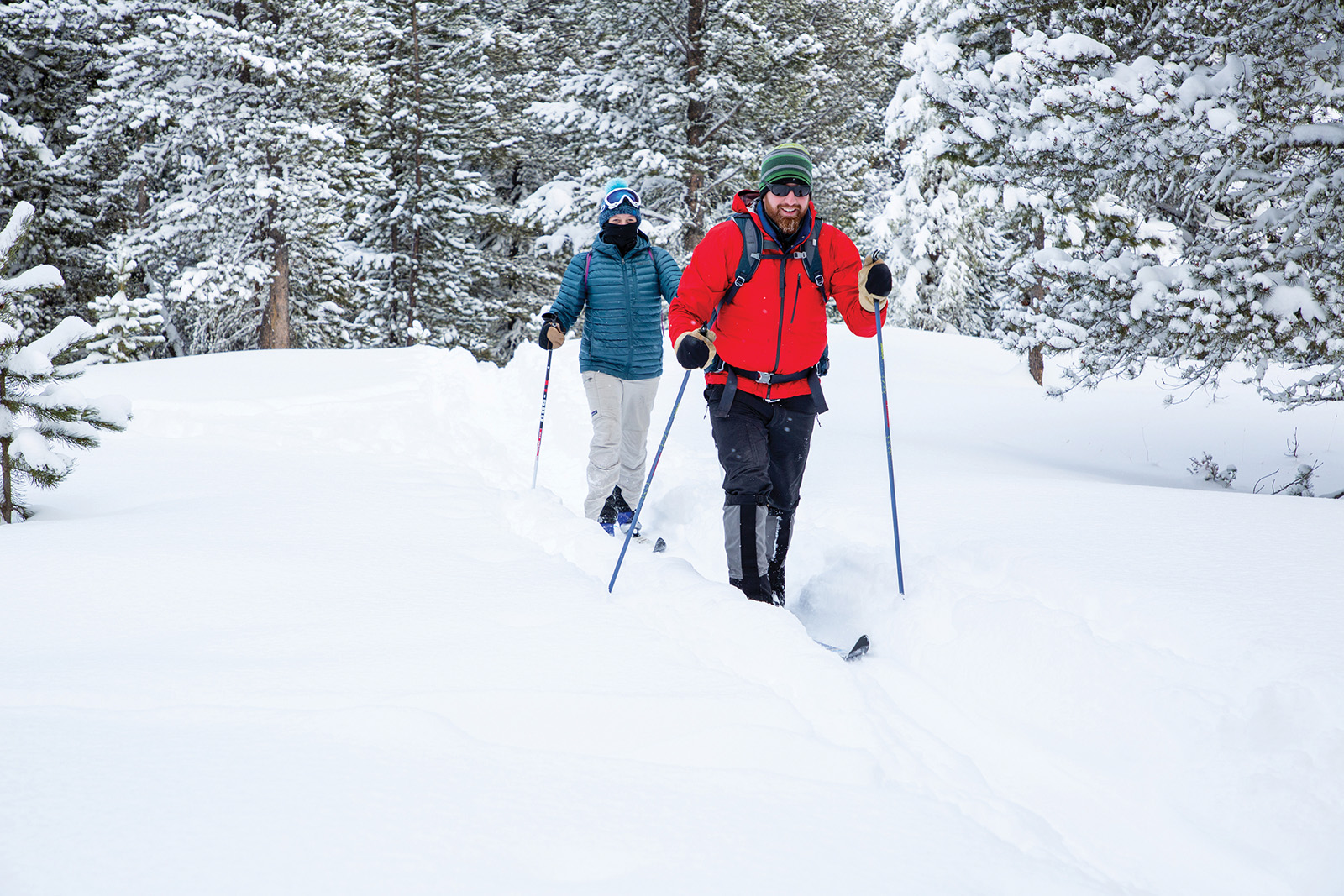
Getting outside and staying fit during the warmer months is a breeze around here, but doing so in the winter is more challenging. The short days and long nights don’t make it any easier. Fortunately, Bozeman is a Nordic skier’s haven. On any given day, you’re apt to see Olympians, child prodigies, weekend warriors, and avid recreational aficionados all on the same trails. And with bountiful options both in town or just a few minutes’ drive away, getting out for a quick jaunt is easy

Classic vs. Skate
Nordic skiing can broadly be broken down into two general styles: classic and skate. The two differ in several key ways. Classic skiing is more beginner-friendly, and is done with a walk-kick technique similar to running, while skating is more of a moving duck-walk.

The skis used for each technique differ as well. Classic skis have distinct “kick” and “glide” zones on the bottoms that are waxed differently. As a lower-maintenance alternative to wax, a “fish scale” pattern on the kick section can provide traction and prevent backwards slippage.

The base of a skate ski, on the other hand, is consistent across the entire ski: coated entirely with temperature-specific glide wax that makes the entire thing slippery. Good luck “walking” with skate skis—you won’t make it far. Instead, a “skating” pattern (similar to ice skating) propels you forward.

BrackettCreekXC6-IanRoderer_web

Where to Go
Classic skiers can use both groomed and ungroomed trails, while skate skiers are limited to the former. We’ll touch on groomed trails first.

Right in town are the Sunset Hills and Highland Glen trail systems. Thanks to snowmaking and grooming operations by the Bridger Ski Foundation (BSF), these two tracks are among the first to come into shape, usually in early December. Hit them in the morning, or practice your agility on skis by navigating around gaggles of kids at afternoon ski lessons. Also in town is the Bridger Creek Golf Course. Park at the clubhouse and warm up on the flat lower loops before doing a few intervals on the upper, hillier section.

A 20-minute drive from downtown is the Sourdough Trail. This track is also groomed by BSF, but is open to shared use. Realistically, most hikers, snowshoers, and runners only make it up to “the bridge,” around mile four. Beyond that, the track is in much better shape, and continues another five miles to Mystic Lake, or over Moser Pass to the Moser trailhead up Hyalite Canyon.

Speaking of Hyalite, there are several groomed trails stemming from the main parking lot at Hyalite Reservoir. These trails snake around the lake and surrounding forests, and are groomed intermittently at best—usually just a few times per season—making them a better option for classic skiers.

For classic and skate skiers alike, Crosscut Mountain Sports Center is far and away the best locale for Bozeman-area Nordic nuts. The grooming is immaculate, with all trails being hit by the snowcat pretty much every day. Check their detailed forecast for hour-by-hour weather and snow reports.

A little farther away, and more suited for a weekend trip, are the Rendezvous Trails in West Yellowstone. These tracks are a few thousand feet higher in elevation than those around Bozeman, and are the first to load in with snow every winter. In a typical year, college Nordic teams from across the country descend on West Yellowstone over Thanksgiving for an early-winter training trip. For serious skiers looking to test their skills (and endurance), there are a couple of annual races on these trails.

For classic skiers looking to get off the beaten the old logging roads and backcountry singletrack at Brackett CreekGoose Creek, and Bear Canyon are good options for more solitary excursions.

Etiquette
The single largest Nordic-skiing faux pas is damaging a ski track—be that snowshoeing on a singletrack or walking on a groomed trail (with the exception of Sourdough—and even then, it’s important to minimize the damage by sticking to the side of the trail). Nordic skiing on a lumpy track is no fun at all.

Additionally, don’t be a snob. Nordic skiing ain’t a cheap sport, and especially in the competitive world, it can be a touch elitist. Do your part to counter that by being friendly at the trailhead and on the trails. If someone asks you a question about wax or conditions, share what you know in a non-condescending way to encourage more participation in the sport. And on Sourdough, be nice—a friendly request to keep the dog out of the track is way better than a nasty comment as you ski past. Honey catches more flies than vinegar.

Events
Whether learning to Nordic ski or already a pro, Bozeman is the place to be a social skinny-skier.

November-March
Clinics – Bozeman. BSF offers Nordic ski clinics throughout the winter, providing an easy way to drop in and learn a few ski tips. bridgerskifoundation.org

December-February
FUNSKI Community Series – Various locations. BSF hosts one race per month during the winter, usually on weeknights. Themes range from a Santa chase to a lively two-person relay. Costumes encouraged. bridgerskifoundation.org

 January-March
Biathlon Races – Crosscut. Our backyard Nordic center hosts a series of fun community biathlon races throughout the winter. crosscutmt.org 

January

Hyalite Tour – Hyalite. This isn’t a race, just a great day to go ski the trails in Hyalite with friends and finish with free food & hot cocoa. Pick your distance and trail. hyalite.org

 March
Yellowstone Rendezvous – West Yellowstone. A good portion of Bozeman heads to West Yellowstone each March for the final races of the season with a 2k, 5k, 10k, 25k, and 50k. skirunbikemt.com

Editor’s note: Dates are subject to change. For the most updated information, visit outsidebozeman.com/events.