Gone Wrong

by Corey Hockett

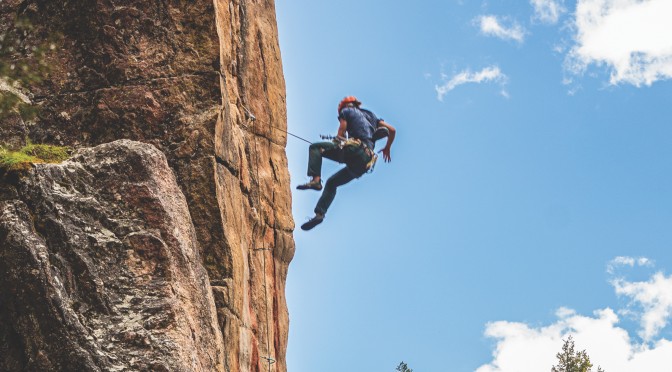
The air was cold. A chilly breeze wafted through the canopy, expunging the energy of the early-morning sun. I sat against a tree sipping coffee, eyes fixed on Michael, who was nearing the crux. He’d looked smooth and confident for the first part of the route, but now the wall was a lot steeper. He was 15 feet above a ledge on a lengthy runout and getting visibly nervous.

Shifting to and fro, trying to figure out the sequence, his technique crumbled with each passing minute. Pretty soon, with frantic breaths, he clung statically to the wall, clearly unable to solve the problem. Ashley, his belayer, stood firm, attentive, and ready to catch him.

Eh, ahh, shit! He struggled. Then he came off.

His fall ended in an abrupt foot-first collision with the ledge, sending a harrowing crack echoing across the drainage. By the time Ashley lowered him to the ground, both of his ankles were black and blue and abnormally swollen—one was the size of a softball. Aside from his upper body, he was completely immobile.

In a flurry, my mind raced back to the Wilderness First Responder course I’d taken a few months prior. ABCs, check the spine, stabilize the injury. With the help of a few others close by, we splinted his ankles with sticks, shirts, and an ace bandage. Then we created a carrying system to haul him off the mountain. Luckily, it was only a half-mile to a lake with boat access. We called the professionals, and by the time we reached the shore they were there to take him the rest of the way.

It was a humbling experience, a reminder that things can go wrong in the blink of an eye. But all things considered, they could’ve gone a lot worse, and for avoiding that fate, we had our wilderness-medicine training to thank. If you want to maximize safety while off the beaten path, you too will sign up for a backcountry medicine course. In Bozeman, there are plenty.

Wilderness First Aid
If you need to know anything at all, it’s the basics. This quick, two-day course runs the gamut of all outdoor emergencies. Covering everything from spine injuries, to heat illness, to anaphylaxis, a Wilderness First Aid course lays the groundwork for how to act when things go wrong. Additionally, CPR certifications are usually offered with most programs. Local courses are offered through Aerie, Crossing Latitudes, MSU, and the Peak in Butte.

Wilderness First Responder
If you’re looking to gain a little more knowledge than just the fundamentals (and you should) then consider taking a Wilderness First Responder (WFR). Typically around 80 hours of classroom and field time, a WFR dives thoroughly into patient assessment. Learn how to identify specific types of trauma, deal with medical ailments, and build makeshift litters to evacuate the injured. Aerie, Crossing Latitudes, and MSU provide instruction locally.

Wilderness EMT
If becoming a guide or medical professional sounds enticing, you’ll likely need to take a Wilderness EMT. This intensive 200-hour program covers and combines both urban and backcountry medicine practices ensuring you leave the course a medical expert. Study anatomy and physiology, practice vehicle extrication, and spend full days working through intense backcountry rescue missions. Look for local programs through Aerie and Crossing Latitudes.

In the backcountry, when things go bad, they can go terribly wrong. The best we can do is prepare for the unexpected ahead of time. As Shakespeare said: All things are ready, if our mind be so. If you like to get after it outside, do yourself—as well as your adventure partners—a favor. Get some wilderness medicine education.
Hyalite Expectations

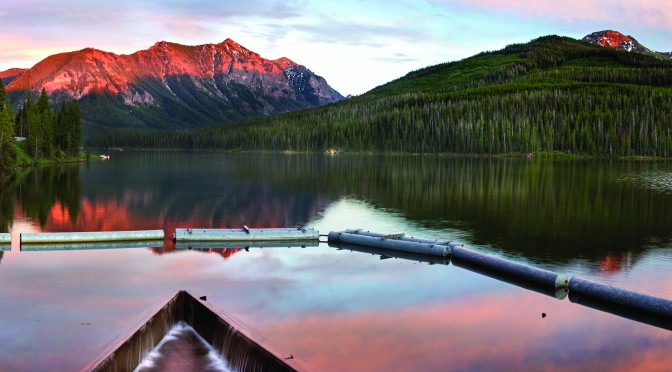
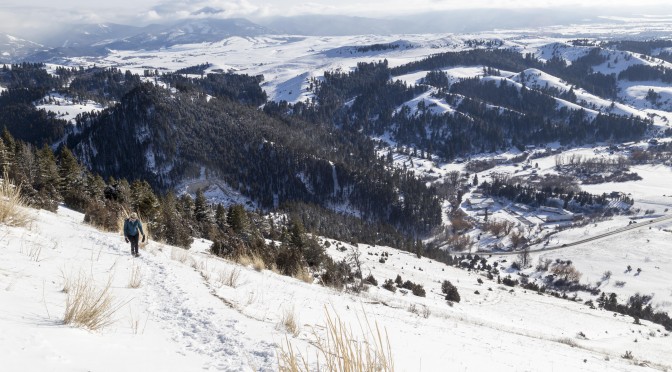
As Bozemanites, we have our pick of the litter when it comes to public-land access. If we feel like fishing, there are five rivers within an hour of Main Street. Hiking? We can see five ranges from our downtown office. Biking? Hundreds of miles of trail jet off from town into vast expanses of forest. But our crown jewel is Hyalite. The access is unparalleled, the sights unrivaled, and the recreation endless. And in order to keep it that way, it takes a little bit of chipping in. From everybody. Here’s how.

Pack It In, Pack It Out
There are no garbage services in Hyalite, meaning you should come out with just as much as you went in with, if not more. By all means, take advantage of the fire rings, campsites, and trailheads. But realize that this isn’t your bedroom, and Forest Service employees aren’t your servants. Pick up your trash.

Respect Other Users
Hyalite supports hikers, bikers, climbers, anglers, and campers. Whatever your passion, leave the judgment at home and realize that everyone enjoys nature differently. Bikers, slow down on busy trails and yield accordingly. Fly anglers, get off your high horse and acknowledge that some folks just want to spin-fish from a slow-moving boat with a motor.

Respect Wildlife
Even with all the human pressure, wildlife still abounds. Elk, deer, bear, coyote, and moose are all common, along a plethora of bird species—and most of the animals are pretty comfortable around people. Give them space, keep campgrounds clean, and obey speed limits.

Adhere to Regulations
Due to the high pressure, Hyalite has specific regulations to mitigate problems. The latest is a restriction on target shooting. The short of it: it ain’t legal. There are also timeshare regulations for specific trails, and some are closed to bikes and motorcycles certain days of the week. Another one to note is that Hyalite Canyon Road closes for a month in the spring. For all the beta (that means information), visit hyalite.org.

Become a Steward
Friends of Hyalite (FOH) is an all-volunteer nonprofit that raises awareness about the area’s current issues. They also pay for winter plowing of the road, which means the fun doesn’t stop once the snow flies. Donate some money, or if you’re broke, consider giving some time. FOH hosts cleanup days, and several local nonprofits organize trail-maintenance outings.

Know the Code

by  Ej Porth

A few rules for Bozeman area trails.

We’re pretty lucky to have the 80-mile Main Street to the Mountains trail system right outside our back door. From campus, you can get downtown or to the top of a mountain—the options are endless. Bikers, runners, dog owners, commuters, and walkers keep the trails busy, making it everyone’s responsibility to follow the rules so we can care for our community trails and respect fellow users. Being a good trail user is a big deal here in Bozeman. Nothing gets you more glares and frustrated sighs than bad trail etiquette. But don’t worry—we’ll give you the lowdown on how to fit in and do your part. Here’s what you can do to be an A+ trail user.

Obey the posted signs and trail regulations. If a trail is closed, it’s closed for a reason. If a sign tells you to slow down on your bike, hit the brakes.

Stay on the trail. It might seem like a good idea to take a shortcut between switchbacks, but this can actually create serious damage to the trail. We need to respect the natural areas around the trail as well. On that note, don’t pick the flowers.

Don’t bike or walk on the muddy trails. Especially In the springtime, using muddy trails can cause serious damage and may require significant repair later on. Follow some of the Bozeman trail conditions on Facebook to see what trails are dry and ready to use.

Stay right on the trail. Just like when you’re driving, pass on the left.

Don’t litter. Duh.

If you’re a biker, yield to walkers. They have right of way. Slow down, use a bell, or call out “On your left!” before passing.

Downhill bike riders yield to uphill bike riders. It’s safer and easier for everyone.

If you bring a dog, PICK UP THE POOP! There are dog-poop stations with bags and trash cans all along the trail system. Don’t just pick it up and leave the bag on the side of the trail. You’ll forget about it. Ignoring your dog’s poop will bring very bad trail karma your way.

Obey leash rules. You’re representing all dog owners—help us look good. And no, your dog is not an exception to the rule because it’s “really well-behaved.” We all think that about our dogs, but it isn’t always true.

Pick up a Main Street to the Mountains trail map at the Gallatin Valley Land Trust office (212 S. Wallace, #102) or at local retailers.

Mad Pow Disease

by Corey Hockett

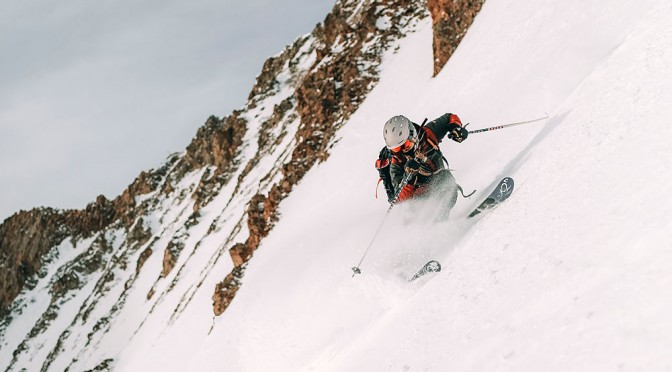
It’s no secret—at least not anymore—that Bozeman is a fine place to ski. Very fine in fact—two resorts are within an hour’s drive, and four more sit within striking distance for a day trip. Numerous mountain ranges surround the Gallatin Valley, each one holding excellent terrain for all levels of snow-slayer. So whether you’re grabbing laps at Bridger before work or bagging big lines in the Beartooths on a multi-day expedition, winter in Bozeman means skiing and snowboarding. Grab your sticks. You’ve come to the right place.

Gear
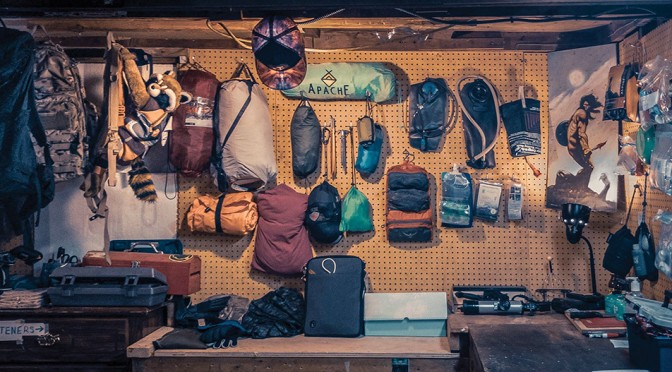
As with most outdoor activities, skiing demands a load of gear—some of which isn’t all that necessary. But other items are downright essential. So let’s start from scratch. What does it take to ski or board? First, you need the planks themselves, bindings to slap on top of them, and a pair of boots to connect you to the apparatus.

When it comes to skis and boards, the variety can be overwhelming. My advice for those starting out is to not take it too seriously. Get a size that fits you. If you’re unsure of what that means, consult your friends or the ski shop.

Boots are a bit more intricate, and a piece of gear not worth skimping on. Weight, stiffness, breathability, and comfort are all things you’re going to want to consider, and they will all differ based on your ability and the type of terrain you’re skiing.

Bindings are the same way; though if this is your first pair, don’t spend your next month’s rent on something you “hope will work out.” Play the field first. Rent from the ski hill, try your buddy’s setup, buy a cheap pair at the second-hand store. Learn how different bindings react to your movements, then loosen the purse strings.

If your heart lies in backcountry exploration, of which options are many, you’re going to need to add quite a few items to that gear list, the first of which is an avalanche course (see p. 28). Sign up and take it seriously. It may cost a couple hundred bucks, but the lessons are worth your life.

Other items necessary for backcountry travel are a shovel, beacon, and probe. Assuming you won’t be snowshoeing, you’ll need some skins as well. And if you’re serious about this, your choice of boots and bindings will reflect that. Lightweight boots with a walk mode are worth their weight in gold, and AT bindings will allow you to transition between uphill and downhill travel. Knuckle-draggers should check out Spark R&D splitboard bindings; the company is based right here in Bozeman.

As far as cold-weather clothing goes, layers are your friend. Have a couple layers, a puffy, extra gloves, and a shell. Carry a neck gaiter and goggles for the way down, and as Mama told you, “Don’t forget your helmet!”

Where to Go
Need we even mention this category? I mean, you’re here, aren’t you? You must know about the iconic Bridger Ridge and the tram at Big Sky. Within 60 minutes of town lies the best in-bound terrain Montana has to offer. Go there, friend, and if you’re yearning for more beta, know that you’ll have to find it for yourself.

Outside of Bozeman’s immediate area are plenty of mom-and-pop hills to put on the list. Discovery, outside of Butte, is a perfect weekend trip with terrain for all levels. Other mentionable ski areas are Maverick near Dillon and Red Lodge Ski Hill west of, yes, Red Lodge. Grand Targhee is also three hours away for those looking for more of a road trip.

Summer Scaries

by Corey Hockett

In Montana, summer is about as splendid as it gets—hot enough to make jumping into the river feel refreshing, and cool enough to fall asleep at night. The mountains and water call us to the backcountry, and it’s a wonderful time to answer. But heading out half-cocked isn’t a good idea. Weather can turn quickly here, and not every critter you run into is friendly (e.g., griz and mama moose). Just because the sun’s shining doesn’t mean you needn’t take precautions.

Bozeman isn’t the hottest place on the planet, but the past few summers have been scorchers. Dehydration and heat stroke should be considered on most outings. If you’re going out for more than half a day, have a plan for water, both for drinking and cooling down. There are many creeks from which to fill your bottle (purification recommended) and dunk your head, but if you run out on a sun-baked ridge, don’t count on finding any until you hit the valley floor. I keep a full jug in the truck at all times.

If you do any fishing or wandering around river bottoms, keep an eye out for poison ivy. We have it here, and if you expose your skin to it, it will suck. Learn how to identify the plant and areas where it’s likely to grow. In general, you can’t go wrong with the old adage: leaves of three, let it be.

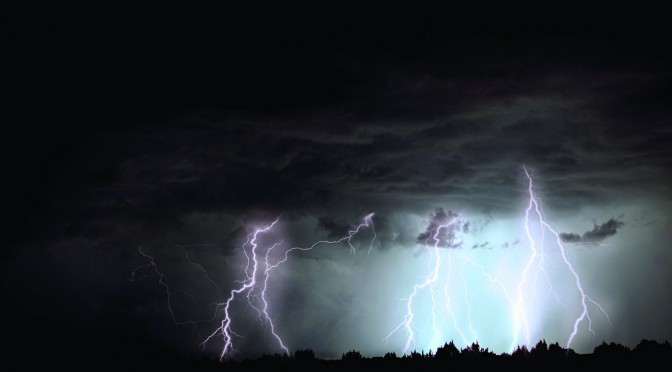
Up in the high country, your main watch-out is electricity, and no, I’m not talking about that radio tower marring the view. Thunder and lightning storms are common. They usually arrive in the afternoon, but look for signs early, like shifting winds and cumulus cloud build-up. If you happen to get caught in a storm, move to lower ground, take off all metal objects (watches, belts, keys), and assume lightning position (squat with hands behind your head) until it passes.

If one of those bolts connects with dry fuel, say a dead tree, it oftentimes ignites. You’ve probably heard the news—come summertime, we get forest fires. Getting caught in one while you’re out and about is not a primary concern. Start one, however, and consider yourself pilloried, plus fines and potential jail time. There are often campfire mandates during the hotter months, but if you have one when permitted, make sure you keep it contained with a rock ring, monitor it constantly, and extinguish it completely. Many a smoldering cooking fire has led to a wildfire with devastating consequences.


Seven Wonders of the Bozone

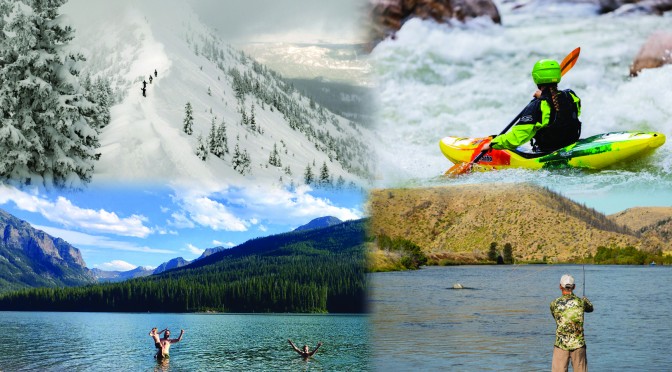
In Bozeman, it’s impossible to do it all, but if you’re like us, you strive to. Every season presents its own set of outdoor challenges and opportunities, but there are a few activities so renowned that they bear repeating on a near-annual basis—classics, you could call them. Below is a list of seven. Do them all and you’re one step closer to becoming a true Bozemanite.

Ski the Ridge
By this we mean the ridgeline above Bridger Bowl. The Bridger Lift drops you off 600 feet from the top, where you can bootpack the rest of the way. You’ll need a beacon, and once on the Ridge, keep your wits about you—get off-route and you’re bound for serious amounts of undesired airtime.

Swim in Hyalite Reservoir
The most accessible activity on this list. You may have heard of Hyalite for any number of reasons, including, but not limited to: fishing, running, biking, and ice climbing. While each of these has its place, nothing beats a cold refreshing dip on a hot summer’s day, with the craggy peaks of the mighty Gallatin Range towering above.

Paddle the Mad Mile
Ever since A River Runs Through It became a box-office hit, the Gallatin River’s reputation has been one of fly fishing. While trout do in fact fill its waters, come spring runoff, all attention is on the foamy rapids between Lava Lake Trailhead and Upper Storm Castle. Navigate this section successfully in a watercraft and earn a badge of Bozeman honor.

Fish the Madison River
You came to Bozeman, but did you remember your fly rod? We can’t guarantee you elbow room, but there’s a reason this river is so highly sought-after. Whether it’s casting from the banks, moving to and fro in your waders, or drifting slowly down in a boat, fishing the Madison is a staple Bozeman experience.

Climb Gallatin Tower
There are a number of routes by which to do so; which specific one you choose, we don’t care. The point is, get to the top. Why? Because it is there (said someone famous). And because you’ll be rewarded with views of the river, and a charcoal grill, in case you brought hot dogs. But most importantly, because you will feel alive.

Bike the Bangtail Divide
On two wheels, you won’t find a more quintessential ride. Starting from Stone Creek, the trail climbs high above Bridger Canyon and contours north to Grassy Mountain for a beautiful descent down to Brackett Creek. Or do it in reverse. Either way, you’re looking at 23 miles of pure mountain-biking glory.

Hike or Run Mount Baldy
By now, you know where the “M” is. But have you traveled above the big white letter to the broad prominent peak in the distance? If not, do so. Grunt your way past false peaks to summit one of Bozeman’s most famous. Then, look out at the sweeping Gallatin Valley below and give thanks that by some stroke of fortune you ended up where you did.

Deal Me In

by the editors

The true dirtbag ski/trout bums of Old Bozeman may be gone, but the spirit of spending every last dime on gear remains. Sure, some things are worth full price; but for others, it pays to shop smart. Here’s how to maximize enjoyment while minimizing cash outlay.

Coupons
First thing, start with this guide. Part of its purpose is to make life easier for newcomers to Bozeman’s outdoor scene, and one way we do that is by dedicating a large section to cash-saving coupons. Flip to the back, clip the coupons, save money—it’s that simple.

Sales
For straight-up retail shopping, hunt around for the big sales. Downtown Bozeman hosts summer and winter Crazy Days, a long weekend each season dedicated to inventory-liquidating sales along Main Street, including outdoor stores. Big holiday sales occur throughout the year, as well. To really save cash, buy gear post-season—for example, snagging new skis in the spring, when stores are trying to scuttle leftover winter gear, can mean up to 50% off.

Swaps
Another option is gear swaps. There’s a ski swap in November hosted by the Bridger Ski Foundation, a bike swap in spring put on by the Gallatin Valley Bicycle Club, and a boat swap in May at the Barn. All three swaps have huge inventories at massive discounts, and you can sell your used gear, too. Just make sure to show up early, ‘cause the best stuff goes fast.

Second-Hand
As one might expect, Bozeman’s pawn shops teem with used gear and apparel. There are even a few second-hand stores devoted entirely to outdoor equipment. Area thrift stores are loaded with hidden treasures, too. Spend some time perusing the inventory, and make it a habit to stop by different stores every so often—new goods arrive daily, and the best deals are all about timing.

Rentals
Sometimes gear is cost-prohibitive regardless of the price. Or maybe you’re not sure you’re going to like a new sport, in which case it pays to try before you buy. If you’re an MSU student or alumnus, hit the Outdoor Rec Center for the best prices. Otherwise, check out any of the half-dozen rental outfits around town, for everything from mountain bikes to whitewater rafts.

Gone Fishin’

by the editors

The Bozeman area has some of the best trout water in the world, and you have the privilege of being less than an hour from three world-renowned rivers, plus dozens of other fishing options. From alpine lakes in the backcountry to valley streams near town, southwest Montana is truly is an angler’s paradise.

If you’re new to the sport or the area, the first thing you’ll want to do is grab a copy of the Cast fishing guide. This local publication is crammed full of everything you need to know about fishing around here. With a little practice—and plenty of patience—you’ll be hooking into beefy browns and ‘bows in short order. Here’s some basic information to get you started.

Essential Gear
To the novice, the quantity, diversity, and variation—not to mention prices—of fishing gear can be overwhelming. Luckily, you don’t need to fill a whole garage with gear or take out a loan have fun and catch fish.

For fly fishing, you’ll need a rod, reel, line, leader, and tippet. A good 9-foot, 5-weight, fast-action rod should handle everything from lightweight dry flies to heavier streamers. Match it with a 5-weight reel and a WF5 (weight-forward 5-weight) fly line. A 9-foot 5X leader and a range of tippet material, from 2X-6X, should accommodate most scenarios. Confused? Don’t worry; it makes sense once it’s all in your hands.

Next, you’ll need waders and wading boots, especially if you plan to fish in late fall, winter, and/or early spring when the water temps are chilly. Be sure to use a wading belt so your waders don’t fill with water in the event of a slip. Polarized sunglasses are great for spotting fish.

Get a small chest-pack, butt-pack, or vest to keep your smaller gear, and organize your flies in a fly box or sleeve. Be sure to carry nippers for trimming line, floatant to keep your dry flies on top of the water, and pliers or forceps for removing hooks.

Spin anglers can keep it way simpler, with a medium or medium-light spinning rod, a light or medium spinning reel, and some 8-pound monofilament. Grab a few spoons and spinners and you’ll be catching fish in no time. 

Where to Go
Hyalite Creek
The road to Hyalite Reservoir follows this creek and there are plenty of pullouts. Small rainbow trout are plentiful, and a well-presented dry fly—or a small spinner pulled through a pool—will almost certainly entice a strike. For slightly larger fish, head up to the reservoir.

Gallatin River
The valley’s namesake waterway is a great option, thanks to its abundant public access, proximity to town, and high numbers of fish. Whether you fish the upper river in Gallatin Canyon or the lower section out in the valley, take the time to walk a ways away from your car for better, more peaceful fishing. The lower stretch holds larger fish and can provide good dry-fly fishing, especially on cloudy days. Cameron Bridge, Axtell Bridge, and Williams Bridge are all great starting points. Further south, Hwy. 191 follows the river through the canyon on the way to Big Sky and numerous pullouts access the river. Spin fishermen can find plenty of action from the mouth of the river all the way to its terminus at Headwaters State Park.

Lower Madison River
Head west and reach the fish-filled Lower Madison in less than 30 minutes. Wade in at any one of the dozens of pull-outs and work the shallow river, focusing on channels, pocket-water, and weedbeds. Although this section of river is not the best for dry flies, nymphing can be productive. Spoons and spinners tend to get hung up on weeds, but careful casts can produce fish. If you’re after voluminous small rainbows and the occasional big brown, the Lower’ Madison’s your spot.

Catch & Release
On most Bozeman-area waterways, it’s perfectly legal—and moral—to keep a few fish for supper; however, catch-and-release fishing is the norm around here. Problem is, the ethic only works if you do it right—and many people don’t. If you’re going to throw your catch back, make sure to follow the rules, so that it doesn’t go belly-up a few hours later.

  • Play fish quickly: land your fish as quickly as possible and don’t play it to exhaustion.
  • Use a landing net: it reduces the time required to land a fish and keeps it from thrashing about; try to use one made of a soft, smooth material.
  • Dunk your mitts: always wet your hands before handling a fish: dry fingers damage a fish’s protective slime layer.
  • Avoid the gills: gill filaments are sensitive and easily injured.
  • Remove the hook quickly: use forceps or needle-nose pliers for small or deeply-embedded hooks.
  • Keep ‘em wet: a wet fish is a happy fish. You can lift it up for a quick photo, but only for a few seconds; otherwise, keep it submersed.
  • Cut ‘em loose: when you can’t remove a hook quickly or cleanly, cut the line as close to the knot as possible.
  • Release with care: hold the fish upright underwater and allow it to swim away under its own power; if necessary, hold the fish out of the current until it revives.
  • Bag the bleeders: bleeding fish will almost certainly die; if regulations allow, put them in your creel and enjoy an organic, free-range supper.

Events
The fishing calendar is full year-round, but certain events are crowd favorites. Below are a few highlights; for more, check out outsidebozeman.com/events.

Fly Tying
Several shops in the area offer free classes, so you’ll be whipping up Wooly Buggers in no time. Among others, check out Sweetwater Fly Shop for Tuesday evening Open Vise Night and Willie’s Distillery in Ennis for Bugs & Bourbon on Wednesdays.

Second Wednesday, Monthly
Madison-Gallatin Trout Unlimited Meetings – Bozeman. Good fishing starts with healthy rivers and healthy trout populations. Learn more about how TU is ensuring both locally. mgtuorg.

February
TroutFest Banquet – Bozeman. The Madison-Gallatin chapter of Trout Unlimited hosts its annual fundraiser every February. The local TU chapter is instrumental in fighting for access, keeping rivers clean, and keeping trout healthy. mgtu.org.

May
Chica de Mayo – Bozeman. Join the River’s Edge for this females-only celebration of all things fly fishing. theriversedge.com.

June
Gallatin River Festival – Bozeman. Celebrate the waterway we all love with neighbors, friends, and fellow fishing fanatics. All proceeds go toward ensuring the Gallatin stays clean, cold, and clear for generations to come. gallatinrivertaskforce.org.

August
Fly Fishing & Outdoor Festival – Ennis. If you fish, odds are you’ll be spending lots of time in Ennis, about an hour southwest of Bozeman. Celebrate the end of summer with vendors, fly-tying demos, casting clinics, and more. ennischamber.com.

September
TwoFly Benefit – Bozeman. At the end of the summer, 30-some boats set out with 60-some donors, slinging their favorite two flies in support of the Museum of the Rockies. A fun event for a great cause: our local museum. museumoftherockies.org.

Editor’s note: Dates are subject to change based on weather and other factors. For the most updated information, visit outsidebozeman.com/events.