Category Archives: Trailhead

Blast from the Past

by Jamie Rankin

Revisiting living history.

Out here in southwest Montana, history isn’t just something we read about—it’s something we live amongst. Whether you’re casting a line in the Missouri or trail running in the Expedition 12k, there’s always a story to be told. All it takes to find out is slow down, look around, and listen up.

Missouri Headwaters State Park
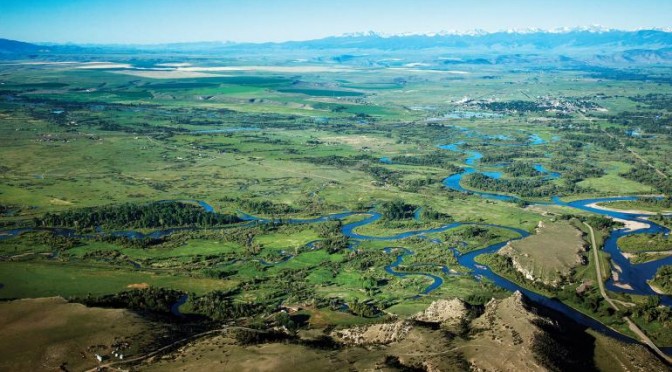
30 minutes northwest of Bozeman sits the town of Three Forks—the site where the Gallatin, Madison, and Jefferson rivers braid together to form the Missouri. In July of 1805, the Lewis & Clark Expedition stood at this intersection, uncertain of which fork would take them toward the Columbia. They ultimately opted for the Jefferson, and Lewis & Clark named each river after a political figure: President Thomas Jefferson; Secretary of State James Madison; and the Secretary of the Treasury, Albert Gallatin. Centuries before the Corps of Discovery’s Expedition, Indigenous peoples, including Shoshone and Flathead bands, traditionally used the river corridors, hunting grounds, and gathering areas in and around this landmark.

Lewis & Clark Caverns State Park
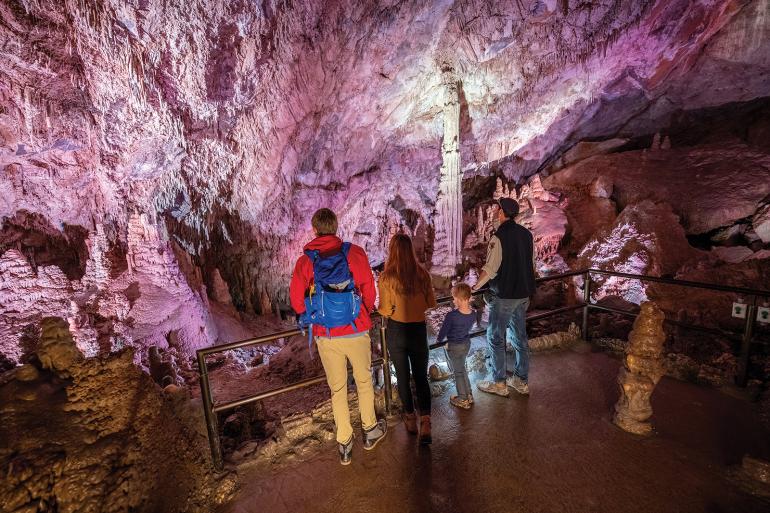
Just west of Three Forks, the mountains open—not skyward, but underground—into the limestone labyrinth of Lewis & Clark Caverns. However, neither of the explorers for which the cave system is named ever saw the caverns. Rather, they were discovered in the 1890s by deer hunters who spotted steam rising from a mountainside vent. The discovery of caves captivated the attention of curious locals. The Civilian Conservation Corps took up residence at Camp Cavern in the 1930s, transforming the wild underground into a walkable wonderland. They blasted the tunnel, wired in lights, and constructed a 3.2-mile access road that winds like a ribbon to the cave’s mouth. You can still trace the CCC’s handiwork in every stone wall, carved stair, and lantern-lit chamber. When the caverns—Montana’s first state park—officially opened in 1941, thousands showed up to celebrate the event.

The Civilian Conservation Corps took up residence at Camp Cavern in the 1930s, transforming the wild underground into a walkable wonderland.
Beaverhead Rock State Park
Visible from Highway 41 near Dillon, Beaverhead Rock rises strikingly from the valley floor. It is a striking limestone monolith shaped by nature. While it may appear to be just another rocky outcrop to the untrained eye, Beaverhead Rock was particularly significant to native peoples—especially Sacagawea. Having been kidnapped as a young girl by the Hidatsa, Sacagawea many years far from her home, her family, and her tribe, the Shoshone. When she spotted the formation (which is shaped like a beaver’s head) while accompanying the Corps of Discovery, she knew that she had finally come home.

While it may appear to be just another rocky outcrop to the untrained eye, Beaverhead Rock was particularly significant to native peoples—especially Sacagawea.

Madison Buffalo Jump State Park

For nearly 2,000 years, tribes including the Shoshone, Crow, Blackfeet, and Nez Perce choreographed epic hunts at the Madison Buffalo Jump, driving herds of bison off the cliffs in a ritual of survival and ingenuity. Young men—called “runners”—donned wolf, buffalo, or antelope skins and sprinted ahead of the stampede, guiding the animals over the edge. At the cliff’s base, bison bones and tipi ring impressions—marking where families once gathered to process meat, prepare hides, and live amongst the land—lie buried under years of dirt and sediment. Today, the site is a quiet, day-use park. A short interpretive trail leads you up to the rim of the bluff, offering sweeping views and informational displays.

Young men—called “runners”—donned wolf, buffalo, or antelope skins and sprinted ahead of the stampede, guiding the animals over the edge.

Alder Gulch & Virginia City
Virginia City—one of Montana’s first boomtowns—was founded in 1863, following the discovery of gold in Alder Gulch. The town quickly blossomed into a bustling mining hub, attracting thousands seeking fortune. At its peak, Virginia City boasted a population of 5,000, becoming the one of the Montana territory’s first social centers and transportation hubs. In 1865, Virginia City was named the territorial capitol of Montana. The town’s prosperity was fueled by the extraction of gold, with an estimated $30 million—roughly $595 million today—worth mined in the first three seasons alone. However, hydraulic mining and the following dredging operations in the early 20th century led to the destruction of several communities, including Nevada City, which was entirely eradicated by dredging.
Be Here Now

by Carson Sprague


Welcome to the Bozone.

Congratulations, you finally packed up your life, waved goodbye to your friends & family, and moved to Bozeman. Whether your move took you over winding mountain passes, across roiling rivers, or through huge swathes of grasslands, marshes, swamps, or cornfields is inconsequential. What matters is that you’re here now. Regardless of the terrain you’ve covered or your motivations for moving, welcome.

I’m one of the lucky few who actually grew up here—I didn’t stumble upon it in my late teens or early twenties. Now, my folks weren’t crazy outdoorsmen, and for a long time, neither was I. I spent years taking this place for granted. I didn’t realize how unusually lucky I was to have world-class skiing, fishing, hunting, and trail systems right outside my front door. It was only after I left Bozeman in search of someplace better that I realized nowhere else could measure up: great skiing but no rivers, great rivers but no biking, great biking but no hunting—the list goes on. But back home in Bozeman, I could do it all. And friend, so can you.

Truth be told, you’d need multiple lifetimes, a bottomless pit of cash, and scores of adventure buddies to ever cover all the bases.

Like all the B-Towns—Bellingham, Boulder, Bend, Burlington—Bozeman’s recreational offerings are seemingly endless. Truth be told, you’d need multiple lifetimes, a bottomless pit of cash, and scores of adventure buddies to ever cover all the bases. But if there was ever a place to be a jack of all trades, then you’ve found it.

With so much to do, and so little time, getting overwhelmed is seemingly inevitable. We all want to bike Leverich, paddle the “Big Three” (Beartrap Canyon, Yankee Jim Canyon, and the Mad Mile), compete in the Ridge Run, catch a 22-inch trout, ski the Beartooths, jam out at Music on Main and Music in the Mountains, backpack in the Absarokas, climb in Bear Canyon, and camp in the Tobacco Roots. And that just covers the warmer months. So take your time, and soak it all in. If that means calling in sick to work on a powder day, taking a gap year, or skipping class to fish a hatch, then so be it. Do everything you can think of and then do some more. Drink up every ounce of this place you possibly can. Make hay while the sun is shining and get while the getting’s good.

Now, as good as all this might sound, there’s a good chance you’ve begun to question where you should even start. Lucky for you, you already have. This little book, The Blue Light Guide, was written with you—the burgeoning Bozemanite—in mind. It’s our goal to help you settle into the next stage of your life here in southwest Montana, show you the ropes, and help you come to love and appreciate this place as much as we do. So, dive on in, find your next adventure, and remember to be here now. After all, time waits for no man.

Follow the Leader

by Jack Taylor

No matter which outdoor sport or activity you’re involved in, no matter what your ability level, no matter how long you’ve been doing it—having a good mentor will surely improve your experience. There will always be someone better than you, and that’s a great thing, because it means you’ll have a chance to improve. Finding a good mentor might be easier said than done, but with the right attitude, it can be a breeze.

The most important quality to look for in a mentor is compatibility. You’re going to spend time with this person, so make sure that you get along! Even if someone is extremely experienced or knowledgeable, you’re not going to get a lot out of the partnership if you find the person abrasive, contentious, or difficult to talk to. So, first things first: make a friend.

Where can you find a friend-and-mentor? Your best bet is to hang out where you imagine such a person would be hanging out. Looking for a river buddy? Head to the take-out. Climbing pal? Hit the crag. Even if you don’t have any skills or know-how, just start talking to people. Ask about what they’re doing, and offer a favor—like running a river shuttle or giving a belay. Don’t know how to do those things? This is where you start learning!

For the technologically inclined, Facebook groups can provide a platform for connecting with mentors. Most popular activities in the area have online groups, and it’s common for folks who are new to the area or sport to post publicly about seeking guidance.

As you begin to build a relationship with your mentor and build experience in your activity, recall that many folks have been in your position as a newbie. In fact, everyone who is good at something was one a complete novice at it. Even your mentor. All that to say, it’s natural to feel nervous, intimidated, and uncomfortable when trying new things. Working through these feelings is fun and rewarding, and leads to gaining confidence.

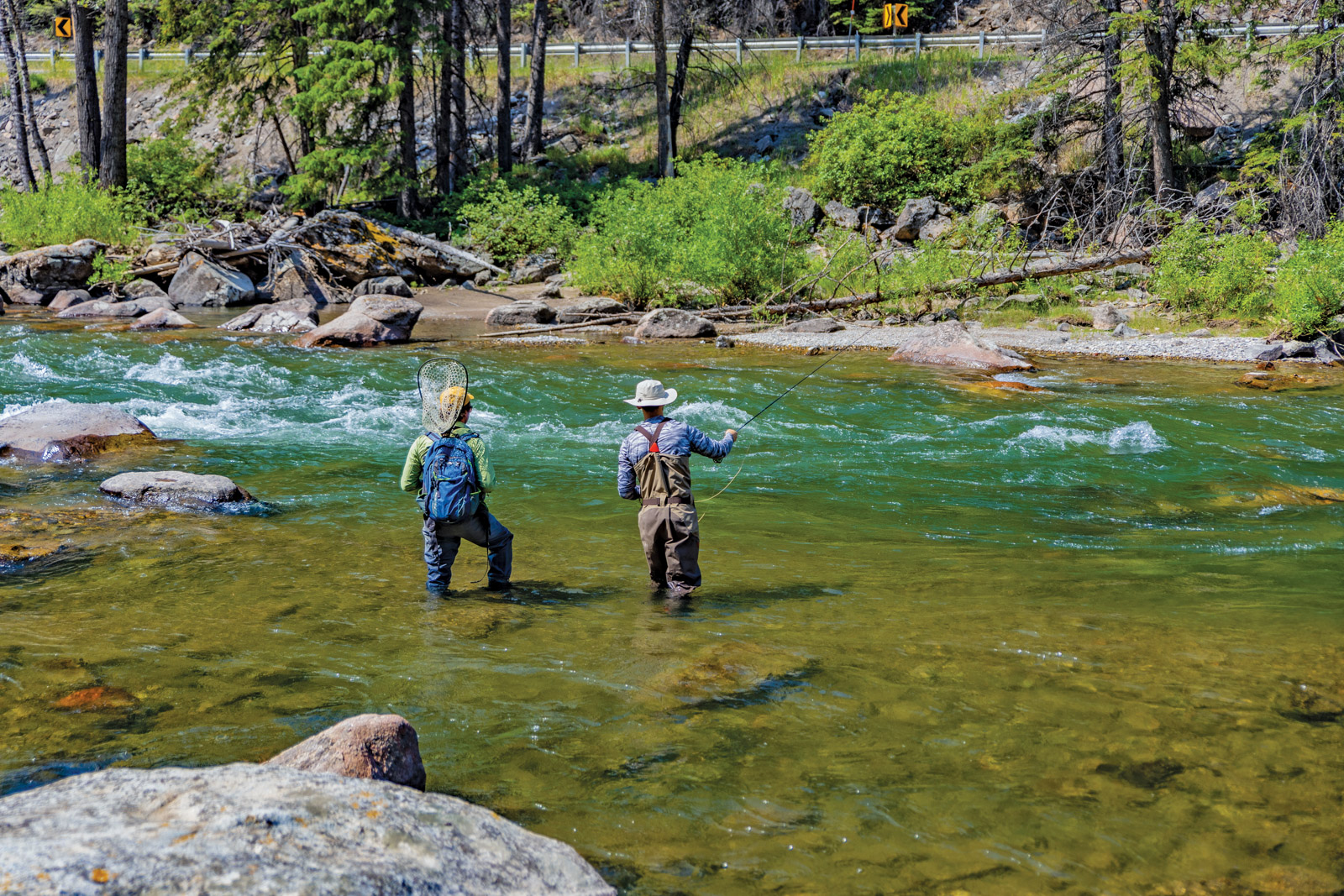
FlyfishingGallatinRiversideTrail-DanielTeitelbaum-3_LR

Once you gain confidence, don’t be afraid to flaunt it. Your mentor ought to be enthralled that you’re finding your way along the path to excellence. Still, remain humble. There is always more to learn, and you’ll probably learn techniques or practices early on that should be adjusted or amended as you gain experience. Don’t be afraid to change your ways, or even to find a new or additional mentor.

Also, don’t be afraid to be skeptical. One aspect of a mentor-mentee relationship that can occasionally lead to trouble is known as the “expert halo,” wherein a mentee views a mentor’s practices as unequivocally right and correct. More often than not, there are many different ways to “do it right.” So speak up if you have a question, or if something looks off. It’ll lead to a learning moment, and could even prevent a mishap.

Lastly, if you’ve had a good mentor and have come to proficiency in your chosen activity, pay it forward by taking on a mentee of your own. Bringing a new soul into the realm of your passion is an exciting and rewarding experience. You’ll see reflections of your past self as your mentee works through challenges and overcomes obstacles. You’ll become more confident in your own skills by teaching someone else, which will lead you to having more fun. And best of all, you’ll have one more new adventure buddy to get out there with. So don’t be shy—get out and make it happen.

Path to Freedom

by Jack Taylor

If you’ve come to live in Bozeman, outdoor activities are surely a big part of why you’re here. So first of all, welcome: you’re in the right place. And now that you’ve picked up a copy of the Blue Light Guide, you’re going to be pointed in all the right directions.

This guide covers everything from outdoor etiquette, to gear recommendations, to activity-specific advice on where you can delve into southwest Montana’s spectacular landscapes. So take it all in, because around here, we pride ourselves on outdoor savvy. That doesn’t mean you have to run faster, climb higher, or ski harder than anyone else. Rather, it means that you’re doing it right: keeping outdoor spaces clean, respecting wildlife and other people, and above all, having a damn good time out there.

This place may seem daunting at first. Trust me, we’ve all been there. When I first arrived in Bozeman, I had so much gusto for adventure—but nowhere to point it. Where’s the best place to go hiking? Camping? Skiing? Climbing? I want to do it all! And I want the very best of it.

There was some trial and error. Trying new activities led to bumps and bruises. Meeting new adventure buddies made for some mismatched partnerships. Spending money on outdoor gear dwindled my savings account. This is a process we all go through. There’s no right or wrong way to do it—the road will inevitably have some peaks and valleys, just like all the peaks and valleys you’ll soon be exploring.

In due time, you’ll find your stride, settle in, and call Bozeman home. Because as long as you love spending time outside, you’ll naturally fit with the Bozeman crowd. So turn through these pages and set your sights. Once you’ve hit all the popular destinations, wander off the map. Find your own little slice of the outdoors in southwest Montana—after all, there’s plenty of it to go around. The journey will be trying, rewarding, and liberating. And in the end, you’ll be better for it. Happy trails, newcomer.

A New Home

by Adam Brown

It had only been a couple hours since I’d rolled into Bozeman. Hungry from traveling and unpacking my weighed-down Subaru Forester, I swung by the nearby Town & Country to stock up on groceries. While checking out, I spotted some local magazines that I hoped would give me a lay of the land. One of them was the Blue Light Guide. As I poked through it, I noticed some coupons in the back. Pizza sounded good. I ripped out the coupon to Cosmic and grabbed a pie on my way home.

There I sat, eating pizza on the floor of an unfurnished apartment, reading all about Bozeman’s outdoor offerings. I was infatuated—and a little bit intimidated—by the culture and adventures that awaited me. Gallatin Tower, the Mad Mile, the Bangtail Divide; I didn’t have a clue what any of these things were, but I knew I wanted to try them. I had a good place to start, thanks to the Blue Light, and I was able to save some extra cash with the coupons (more money to spend at gear shops; see page 82). Looking back, it’s amazing to see how far I’ve come—in just a few short years, I’ve climbed, paddled, and pedaled some of Bozeman’s most iconic locales, and there’s still so much more to explore.

Since you’ve gotten your hands on the Blue Light Guide as well, I can only assume it will help you as much as it helped me. And if you’re wondering about the name, ask around. Here’s a hint: Bozeman’s blue light an invitation to adventure, a call to the outdoors, and an integral element of the local ski scene—just like this guide is, in the wintertime and all year ’round.

So, good luck exploring, enjoying, and adapting to the Bozone. We’ll see you out there.

Know the Code

by  Ej Porth

A few rules for Bozeman area trails.

We’re pretty lucky to have the 80-mile Main Street to the Mountains trail system right outside our back door. From campus, you can get downtown or to the top of a mountain—the options are endless. Bikers, runners, dog owners, commuters, and walkers keep the trails busy, making it everyone’s responsibility to follow the rules so we can care for our community trails and respect fellow users. Being a good trail user is a big deal here in Bozeman. Nothing gets you more glares and frustrated sighs than bad trail etiquette. But don’t worry—we’ll give you the lowdown on how to fit in and do your part. Here’s what you can do to be an A+ trail user.

Obey the posted signs and trail regulations. If a trail is closed, it’s closed for a reason. If a sign tells you to slow down on your bike, hit the brakes.

Stay on the trail. It might seem like a good idea to take a shortcut between switchbacks, but this can actually create serious damage to the trail. We need to respect the natural areas around the trail as well. On that note, don’t pick the flowers.

Don’t bike or walk on the muddy trails. Especially In the springtime, using muddy trails can cause serious damage and may require significant repair later on. Follow some of the Bozeman trail conditions on Facebook to see what trails are dry and ready to use.

Stay right on the trail. Just like when you’re driving, pass on the left.

Don’t litter. Duh.

If you’re a biker, yield to walkers. They have right of way. Slow down, use a bell, or call out “On your left!” before passing.

Downhill bike riders yield to uphill bike riders. It’s safer and easier for everyone.

If you bring a dog, PICK UP THE POOP! There are dog-poop stations with bags and trash cans all along the trail system. Don’t just pick it up and leave the bag on the side of the trail. You’ll forget about it. Ignoring your dog’s poop will bring very bad trail karma your way.

Obey leash rules. You’re representing all dog owners—help us look good. And no, your dog is not an exception to the rule because it’s “really well-behaved.” We all think that about our dogs, but it isn’t always true.

Pick up a Main Street to the Mountains trail map at the Gallatin Valley Land Trust office (212 S. Wallace, #102) or at local retailers.

The Most Dangerous Game

by the editors

The Montana mountains may be a refuge from the strains of life, but they too come with their fair share of stress—mainly, the not-so-friendly creatures that call them home. With a little awareness and education, though, you’ll escape your encounters with nothing but a great story. Here’s what’s out there, and what to do when you meet the locals.

Mountain Lion (Puma concolor)
Where to Find It: Mountains, but may roam urban areas in search of prey. Most active at dusk.

How to Avoid Trouble: At night, wear an extra headlamp facing backward. The light will blind a mountain lion and discourage it from stalking you.

If Trouble Finds You: Stand upright and face the cougar. Make a lot of noise and if attacked, fight back. Never run.

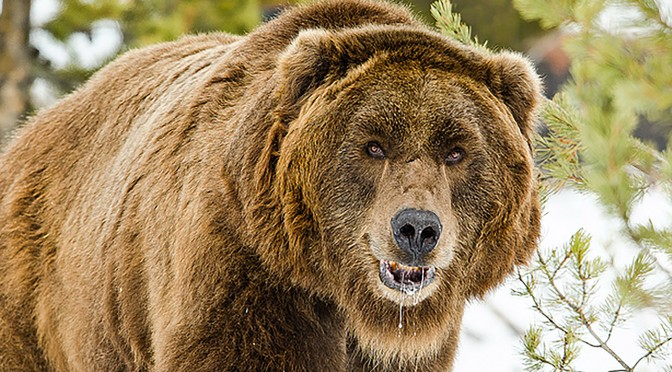
Grizzly Bear (Ursus arctos horribilis)
Where to Find It: If you’re in the mountains of Montana, you’re in bear country.

How to Avoid Trouble: Carry bear spray and store your food safely—in a bear canister or hung up. Be noisy so you don’t surprise one. 

If Trouble Finds You: Avoid eye contact and stay calm. Slowly back away from the bear. If it charges, wait till it’s about 30 feet away, then let the spray fly. Should the spray not stop it, submit completely—collapse onto your stomach, use your hands to protect your head and neck, and pray to whatever gods you can think of.

Moose (Alces americanus)
Where to Find It: Open grassy fields, marshlands, and moist drainages.

How to Avoid Trouble: Make noise when out hiking and biking, and carry bear spray just in case. 

If Trouble Finds You: If it’s blocking your way, wait it out. If it charges, run away and get a tree between you and the angry moose. A squirt of bear spray should send it running.

Prairie Rattlesnake (Crotalus viridis)
Where to Find It: Dens, under rocks, houses, or anywhere else a snake can fit in open, arid country. The banks of the Madison are prime real estate in the warmer months.

How to Avoid Trouble: Listen for the rattle and keep your distance. Avoid reaching into dark places and running through sagebrush.

The Blue Light District

by Cordelia Pryor

Welcome to Bozeman! Whether you’re a student, ski bum, trout bum, young professional, remote worker, retiree, or a traveler just passing through, Bozeman has a plethora of top-notch outdoor-recreation opportunities to offer. But where to begin? Finding one’s way in a new locale is no mean feat. Worry not, friend—the Blue LightGuide is here to help.

New to the outdoors, or at least the Montana variety? Inside this guide you’ll find tons of useful info, from gear and etiquette tips to the area’s top fishing spots and biking trails. Tight on cash? The coupons in the back can feed, clothe, and outfit you for all your excursions. Day or night, total newbie or just looking for some pointers, this guide has something for everyone, every season.

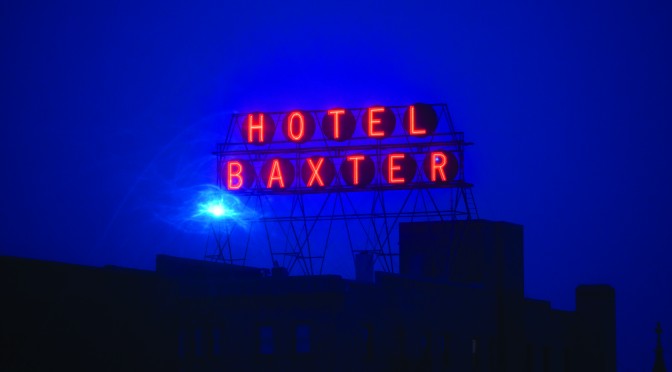
Whence the name, you ask? Well, atop the iconic Baxter Hotel is a blue light that flashes whenever Bridger Bowl gets two inches of fresh snow or more. As that flashing bulb ushers skiers to Bridger’s snow-covered slopes, we hope this guide ushers you to Bozeman’s outdoors: the fields, forests, mountains, and rivers that make this place so special.

However you choose to take to the trails—by foot, bike, or ski—the Gallatin Valley welcomes you warmly with an abundance of wildlife, awe-inspiring views, and new challenges each day. Make no mistake, this place has its pitfalls—winter can be brutal, summer hot and smoky, spring muddy and unpredictable, and fall nonexistent. But amid it all, there is a singular Montana splendor, and this guide will help you find it.

So, while you’re out there enjoying everything Bozeman has to offer, remind yourself of how lucky you are to have found this place. Endless opportunity awaits and all you have to do is reach out and grab it. Once again: welcome, and we hope to see you out there, reaching for fun and fulfillment in all directions. Good luck, and Godspeed.